Die meisten Tippslisten werden geschrieben, bevor es wirklich jemand getan hat abgespielt das Ding. Dies ist nicht der Fall. Vor der Veröffentlichung am 7. Juli 2026 haben eine Handvoll Entwickler den Pre-Release-Build in die Hand genommen – einige für die ersten 20 Tage im Spiel, einer für mehr als sechs Stunden in der ganzen Stadt, ohne dass wir jemals eine Demo sehen konnten – und zusammen tauchten Dutzende kleiner „Oh, das ist wie es funktioniert“-Momente. Wir haben die konkreten, sich über mehrere Spieler hinweg wiederholenden Dinge an einem Ort zusammengefasst: 30 Tipps, gruppiert, damit Sie schnell zu dem gelangen, was Sie benötigen.
Wo immer zwei oder mehr Vorschauer unabhängig voneinander etwas bestätigten, haben wir es als solide behandelt; Wo es nur ein Spieler gesehen hat oder wo es offensichtlich Build-abhängig ist, sagen wir das. Hier wird nichts erfunden, um Platz zu füllen – wenn die Daten noch nicht öffentlich sind (genaue Preise, Wachstumszeiten, vollständige Geschenklisten), sagen wir Ihnen das, anstatt zu raten.
Das ist das kalte Ende. Wenn Sie ganz neu sind, beginnen Sie mit unserem Einsteigerhandbuch für die Gewohnheiten auf hoher Ebene und die Komplettlösung für die erste Woche für eine nächtliche Eröffnung. Kommen Sie hierher zurück, wenn Sie Einzelheiten erfahren möchten – die Mechanik, die Zahlen und die Fallen, die erst auftauchen, wenn Sie ein paar Wochen im Spiel sind.
Ein Hinweis zum Vertrauen: Alles unten stammt aus Early-Access-Vorschauen eines Builds, der noch poliert wird, sodass alles, was sich bis zur Veröffentlichung ändern könnte, markiert ist ⚠️ Vorabversion. Wir weisen lieber auf ein „Vielleicht“ hin, als Ihnen eine Gewissheit zu verkaufen, die sich am ersten Tag ändert.
Das Setup in einem Absatz
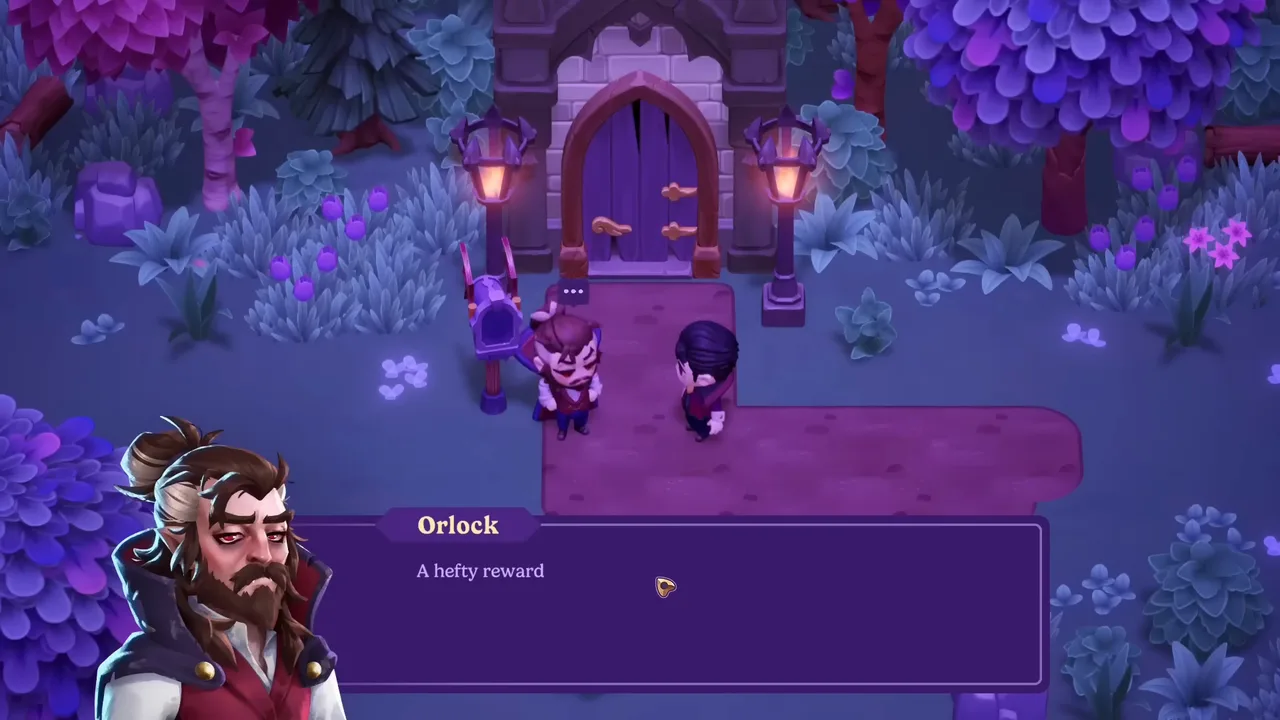
Sie spielen die Kind von Dracula, brechen Sie aus dem Haus Ihres Vaters auf – zwischen Ihnen herrscht böses Blut –, um ein verlassenes Familiengrundstück in der Stadt Moonlight Peaks zu übernehmen und zu beweisen, dass ein Vampir ein Leben voller Mitgefühl führen kann. Dieser Rahmen ist für einen Tippführer wichtig, denn daraus ergeben sich zwei Dinge. Erstens, Ihre Familie hat einen guten Ruf, also besteht ein Teil des frühen Spiels darin, vorsichtige Nachbarn zu besiegen; Für sie von Nutzen zu sein bedeutet, dass sich die Stadt öffnet. Zweitens, die Story ist der Motor – im Gegensatz zu Sims, bei denen man eine Farm bekommt und allein gelassen wird, steuern die Quests hier fast alles und die meisten Systeme (Magie, Werkzeuge, Gebiete) werden durch Fortschritt freigeschaltet. Der allererste Nachbar, den du triffst, der ständig verkaterte Vampir Orlock, gibt dir deine erste Quest (mach ihm einen Wein) und schon geht es los. Schieben Sie die Geschichte voran, und das Spiel entfaltet sich. Ignorieren Sie es und Sie werden sich fragen, warum sich nichts Neues öffnet.
Leben nach der Vampiruhr
Die größte Änderung aller anderen Landwirtschaftssimulationen: Die Sonne ist Ihr Feind und der ganze Tag ist umgekehrt. Wenn Sie diesen Rhythmus richtig einstellen, wird alles andere einfacher.
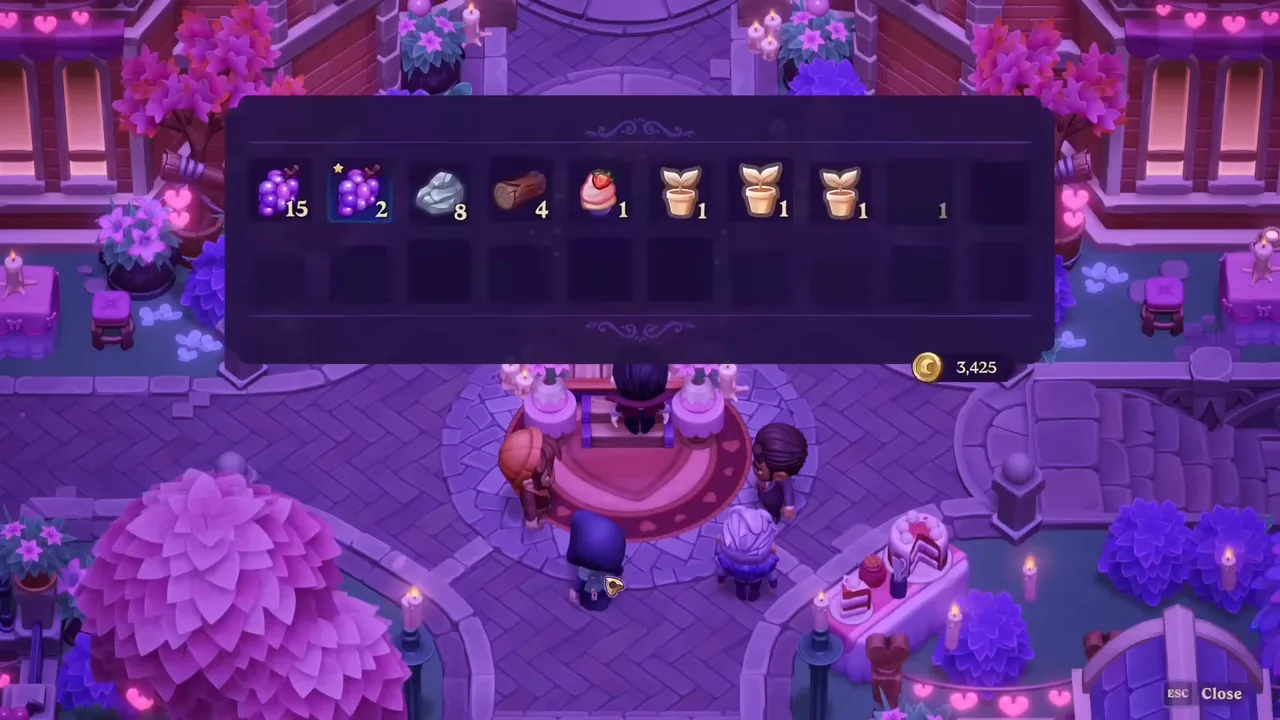
1. Ihr „Tag“ ist von 18 bis 6 Uhr – gehen Sie vor Sonnenaufgang ins Bett
Du bist ein Vampir, also wachst du abends auf und arbeitest die ganze Nacht durch. Jede Nacht beginnt um 18:00 Uhr und die Sonne geht auf 6:00 Uhr – Wenn Sie Ihre Schlafenszeit verpassen, werden Sie ohnmächtig. Das Spiel warnt Sie: Die Uhr beginnt in den frühen Morgenstunden zu blinken, um Sie zu Ihrem Sarg zu bewegen. Das Schlaue daran ist, dass es Ihnen kaum Unannehmlichkeiten bereitet, denn die ganze Stadt ist nachtaktiv. Ladenbesitzer, Nachbarn, jeder hält Vampir-Öffnungszeiten, also funktionieren die „Öffnungszeiten“ wie bei jedem anderen Sim – nur um zwölf Stunden verschoben und in lila Mondlicht getaucht. Kämpfen Sie nicht gegen die Umkehrung; Planen Sie darum herum. (Mehr zur Uhr im Einsteigerhandbuch.)
2. Eine Nacht dauert etwa 15 Minuten – Sie können sie aber auch verlängern
Standardmäßig dauert eine Nacht ca 15 Minuten in Echtzeit, was ungefähr einem Tag in Stardew Valley oder Story of Seasons entspricht. Wenn Ihnen das knapp vorkommt, gibt es gute Nachrichten aus den Vorschauen: Es gibt etwas, das Sie freischalten können ziemlich früh das erstreckt sich jede Nacht auf ca 25 Minuten. ⚠️ Vorabveröffentlichung – die genaue Freischaltung wurde nicht detailliert beschrieben, aber mehrere Vorschauen bestätigten, dass es längere Nächte gibt. Wenn sich Ihre Premierenabende überstürzt anfühlen, ist diese Verlängerung einer der ersten Gewinne für die Lebensqualität, die es zu verfolgen gilt.
3. Sammle Seelenblobbs, um die Zeit buchstäblich zu verlangsamen
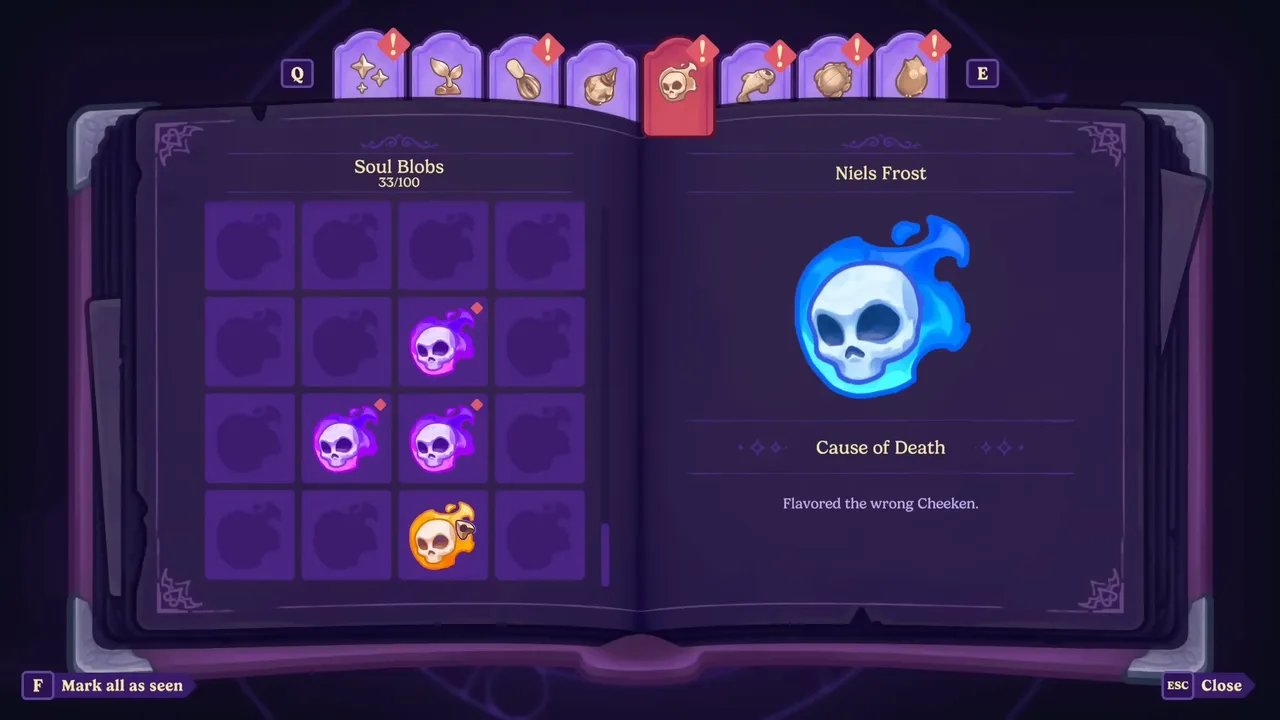
Hier ist ein Tipp, den Sie nie erraten würden: Fangen Seelenblobbs (mehr dazu weiter unten) erreicht Sammlungsmeilensteine, und eine dieser Meilensteinbelohnungen ist die Fähigkeit dazu Verlangsamung der Nachtzeit. Wenn Ihnen die Zeit ausgeht, bevor Ihnen die Aufgaben ausgehen, ist die Seelenblobb-Jagd nicht nur ein skurriles Sammlerstück – sie ist eine direkte Lösung für „Die Nacht verging zu schnell“. Dies wurde von zwei verschiedenen Zuschauern hervorgehoben. ⚠️ Vorabversion.
4. Es gibt keine Minikarte – öffnen Sie die Karte und lesen Sie sie
Sie erhalten keine dauerhafte Minikarte in der Ecke. Stattdessen öffnen Sie die vollständige Karte und sie ist wirklich nützlich: Sie wird angezeigt wo sich jedes Zeichen derzeit befindetsowie Geschäfte und Sehenswürdigkeiten. Das macht es zu Ihrem Planungstool für die Nacht – prüfen Sie, wer wo ist, bevor Sie losfahren, damit Sie die (ziemlich große) Karte nicht zweimal überqueren. Erfahren Sie das Stadtlayout und Schnellreisemöglichkeiten früh und die nächtliche Schleife wird schnell enger.
Energie, Mana und kein Ausbrennen
Zwei Bars bestimmen Ihre Nacht: Ausdauer (Energie) und Mana (magisch). Beides zu bewältigen, ist nach Aussage mehrerer Zuschauer die eigentliche Schwierigkeitskurve des frühen Spiels.
5. Horten Sie nicht Ihre Ausdauer – aber verlassen Sie sich nicht darauf, dass eine Ernte sie wieder auffüllt
Ausdauer kann ausgegeben werden; Eine geschäftige Nacht ist besser als eine vorsichtige. Die Falle ist wie Sie füllen es wieder auf. Gekocht Gerichte stellen die Ausdauer wieder her, also ist die Angewohnheit, die Ihnen den Lauf rettet, die, Zutaten zum Kochen beiseite zu legen, anstatt alles zu verkaufen oder zu verarbeiten. Ein Zuschauer brachte es auf den Punkt: Mit Wein verdient man zwar Geld, steigert aber nicht die Energie, man kann sich also nicht auf eine einzige Einnahmequelle für alle Bedürfnisse verlassen. Halten Sie neben Ihren Cash-Crops eine kleine Vorratskammer mit Nahrungspflanzen und Rezepten bereit. Wenn Sie mitten in der Nacht erwischt werden, können Sie das auch tun etwas im Café kaufen zum Aufladen. Siehe Kochen & Rezepte.
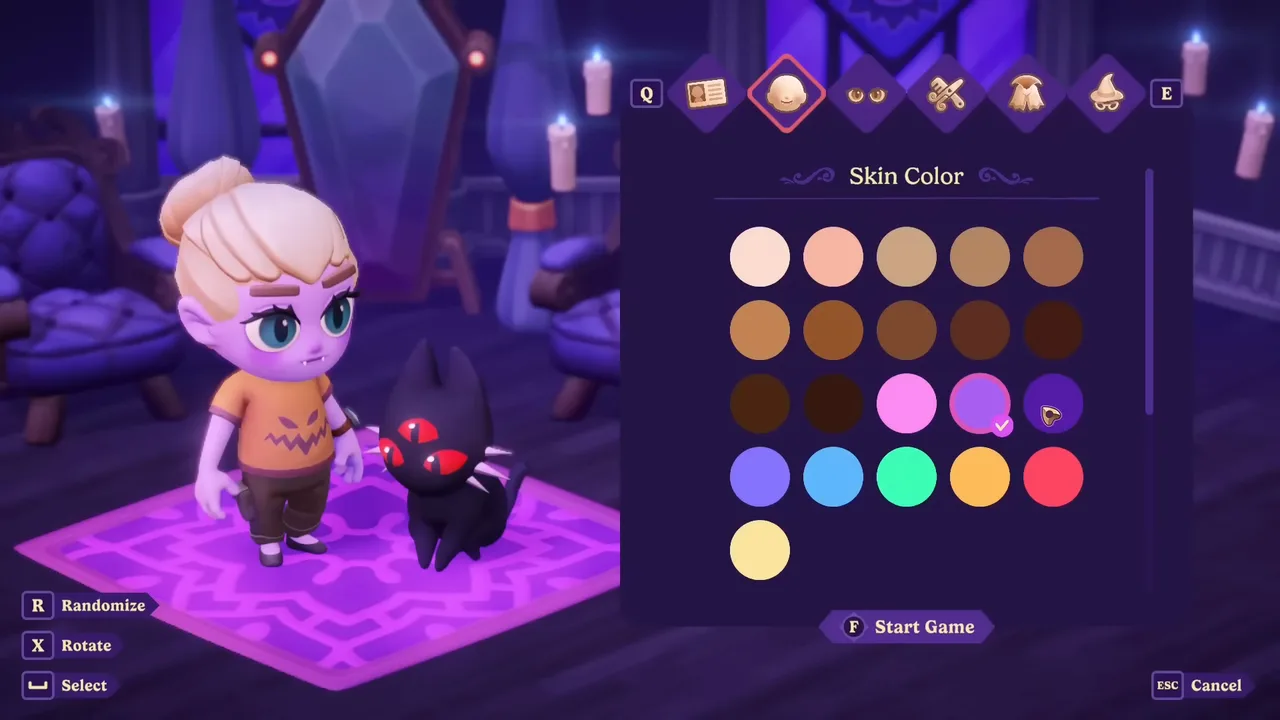
6. Mana regeneriert sich nur teilweise jeden Tag – verbringen Sie ihn bewusst
Magie läuft auf Mana, und zwar getrennt von Ausdauer. Du fängst mit einfach an 3 Manapunkte, und – was wichtig ist – es regeneriert sich jeden Tag ein wenig, aber nicht vollständig, im gleichen Sinne wie Felder von Mistria. Das heißt, Sie können nicht unbekümmert werfen und morgen mit einem vollen Tank rechnen. Jeder Zauber kostet einen bestimmten Betrag, sodass Sie schon früh eine echte Entscheidung darüber treffen müssen, welche Aufgabe Sie heute Abend automatisieren möchten. Durch das Essen von Nahrung wird auch Mana wieder aufgefüllt, sodass eine gut gefüllte Küche gleichzeitig Ihr Zauberbudget ist. Vollständige Aufschlüsselung in Mana und Zauber.
7. Dein Zauberstab fängt an zu brechen – die Reparatur hat oberste Priorität
Man fängt überhaupt nicht damit an, Magie zu wirken. Die Zauberstab sitzt rissig und unbrauchbar in Ihrem Werkzeugrad, und die Reparatur ist eines der ersten Hauptquestziele. Bis dahin bewirtschaften Sie die Landwirtschaft von Hand, daher ist es eines der wertvollsten Dinge, die Sie an Ihren Eröffnungsabenden tun können, die Geschichte voranzutreiben, um den Zauberstab zu reparieren – es ist das Tor vor jedem Zauberspruch unten. Dein Der erste Zauber ist ein selbstbewässernder „Aqua Flow“ – in einer Vorschau kam es buchstäblich als Brief des Bürgermeisters Brook Logan an, in dem er Sie aufforderte, es auszuprobieren – und es ist das, auf das Sie sich am meisten verlassen werden, also schalten Sie es frei und schauen Sie nie zurück.
Geld: verarbeiten, nicht roh verkaufen
Wenn Sie eine Geldstunde von den Leuten nehmen, die gespielt haben: Rohpflanzen sind selten einen Verkauf wert. Die Wirtschaft basiert darauf, Dinge in andere Dinge umzuwandeln.
8. Verwandeln Sie Trauben in Wein, nicht in Saft (und bauen Sie viele Fässer)
Ihre allererste Ernte ist Bluttrauben, gewachsen für die Suche, aus dem ewig verkaterten Vampir Orlock einen Rotwein zu machen. Diese Quest ist auch Ihr Wirtschafts-Tutorial. Trauben gehen in eine Fass, wo Sie wählen Saft (schnell, niedriger Wert) oder Wein (langsam, wert viel mehr). Das Spiel drängt Sie von Anfang an zur Transformation, und die Zuschauer waren sich einig: Sie wollen produktiv bleiben viele Fässer läuft sofort. Stellen Sie sich Ihren Bauernhof als eine kleine Fabrikhalle vor, nicht als einen Obst- und Gemüsestand. Wein ist nur der Anfang: der Mio verwandelt Getreide in Mehl, und es gibt eine ganze Reihe von Herstellern – Käsepresse, Webstuhl, Marmeladenhersteller und mehr – plus einen Ofen das riecht Kupfer und Eisenerz Sie bauen raffinierte Materialien für Werkzeuge und Maschinen ab. In der Kette „roh → verarbeitet → hergestellt“ leben sowohl das Geld als auch die Upgrades. Details in Geld und Verkauf und Landwirtschaftliche Helfer und Maschinen.
9. Chester ist Ihr Versandbehälter – und er ist lautstark dabei
Sie verkaufen, indem Sie Waren hineinwerfen Chester, eine entzückende, enthusiastische lebende Truhe, die in der Nähe des Eingangs Ihrer Farm geparkt ist. Alles, was Sie verkaufen möchten, geht an Chester; er rechnet es über Nacht. Es ist die gleiche „Versandkiste“-Idee wie bei anderen Landwirtschaftssimulationen, nur mit mehr Persönlichkeit (und Volumen).
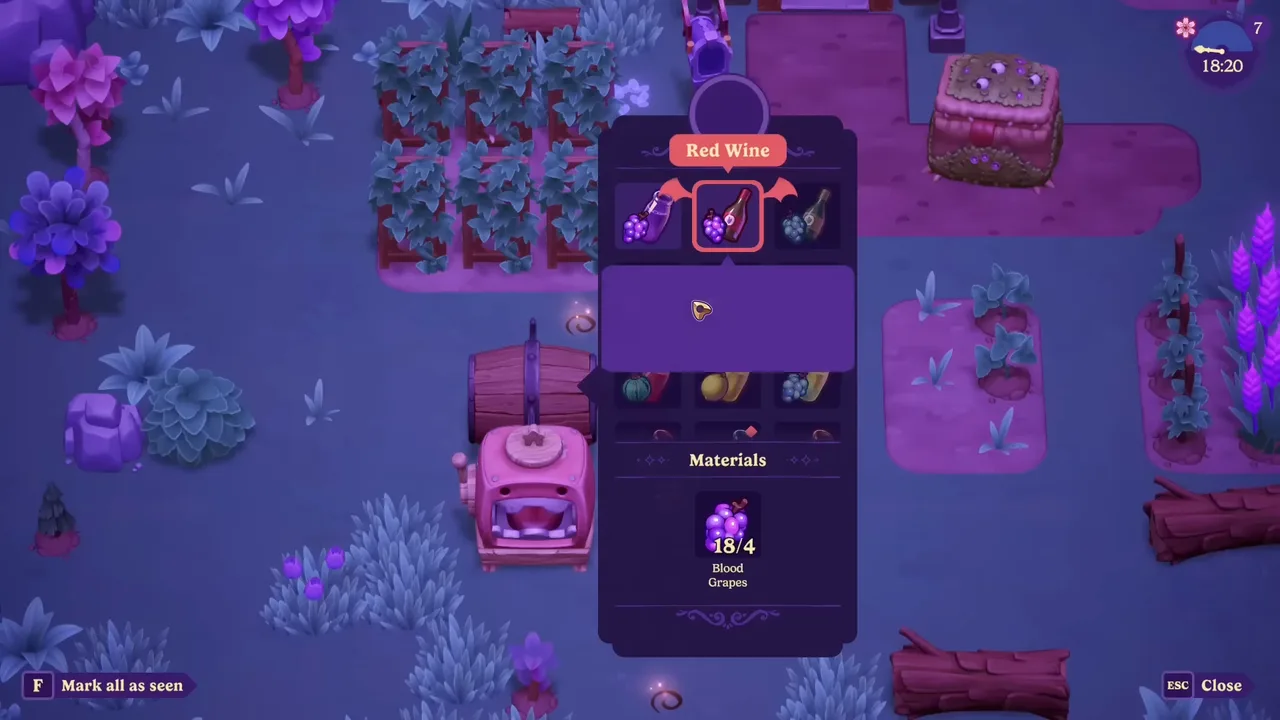
10. Benutzen Sie den universellen Hausspeicher – das Basteln zieht sich daraus automatisch zurück
Dies ist der Tipp, der Ihre Spielweise verändert. Es gibt eine universeller Stauraum in Ihrem Haus mit, soweit die Zuschauer das beurteilen konnten, keine praktische Grenze – und hier liegt der Zauber: wenn Sie es verwenden beliebig Handwerksstation (ein Fass, die Werkbank, die Küche), es zieht Materialien direkt aus diesem Universalspeicher. Sie müssen die Zutaten nicht zu jeder Maschine schleppen. Ein Zuschauer, der sich pflichtbewusst mit der Verwaltung einzelner Truhen befasste, erkannte nach der Hälfte der Arbeit, dass Mikromanagement im Speicher in diesem Spiel im Grunde keine Rolle spielt. Entsorgen Sie alles im Hauslager und basteln Sie frei. Einzelne Truhen sind dann nur noch sinnvoll, um wertvolle Gegenstände aufzubewahren, die nicht versehentlich verbraucht werden sollen.
11. Beziehungen zahlen sich in Plänen und Materialien aus
Geselligkeit dient nicht nur der Romantik. Freundschaften mit den Bürgern aufbauen schaltet spezielle Handwerkspläne und Materialien frei anders geht es nicht. So kehren die Nächte, die Sie mit Plaudereien und Geschenken verbringen, direkt in Ihren Bauernhof und Ihre Einrichtung zurück. Wenn Sie insbesondere Dekorateur sind, betrachten Sie Beziehungen als Ressourcenpipeline und nicht als Nebenaufgabe.
Farm intelligenter, nicht schwieriger
12. Gießkanne: laufen während Sie gießen
Eine kleine Sache, die sich über Hunderte von Nächten summiert: Die Gießkanne bindet Sie nicht an eine Animation pro Kachel. Du kannst Gehen Sie eine Reihe entlang und bewässern Sie dabei, das mehrere Spieler als unheimlich befriedigend und als eine echte Zeitersparnis gegenüber Sims bezeichneten, die einen auf jedem Feld stoppen. Kleine, reibungslose Berührungen wie diese sind der Grund dafür, dass sich die Landwirtschaft von Moment zu Moment reibungslos anfühlt.
13. Pflanzen sind saisonabhängig – aber ein Gewächshaus verstößt gegen die Regeln
Es gibt vier Staffeln und eine saisonale Fruchtfolge, die vorgibt, was Sie wann pflanzen dürfen – Pflanzen sterben, wenn ihre Saison endet, also pflanzen Sie unter Berücksichtigung des Kalenders. Die Notluke ist ein Gewächshaus Sie können bauen, um Pflanzen anzubauen unabhängig von der Jahreszeit. Wenn Sie eine Lieblingsernte haben, ist ein Gewächshaus die Möglichkeit, diese das ganze Jahr über am Laufen zu halten. Überprüfen Sie mit dem, was wann wächst Fruchtliste und unsere interaktive Erntesaisonplaner.
Eine Erwartung, die Sie an Ihre Premierenabende stellen sollten: Ihr Starterplot ist klein und überwuchert, begraben unter Unkraut, Bäumen und Felsen, die Sie räumen eins nach dem anderen, und Ihr Haus beginnt als ein einziger, enger Raum. Das ist Absicht – der Raum (und Ihre Energie, ihn zu bearbeiten) öffnet sich nach und nach. Versuchen Sie nicht, die gesamte Karte in der ersten Woche dem Erdboden gleichzumachen; Räumen Sie jede Nacht ein wenig mehr ab, priorisieren Sie das Beet, das Sie tatsächlich pflanzen, und lassen Sie es Zauber zum Bewegen von Objekten erledigen Sie die schwere Arbeit, sobald Sie sie haben.
14. Wählen Sie die Farbe Ihres Artikels wenn du es herstellst – später kein Neuanstrich
Eine wirklich durchdachte Designentscheidung: Wenn Sie Möbel und Dekor herstellen, sind Sie Wählen Sie im Voraus die Farbe/Variante aus, im Moment der Herstellung, anstatt eine einfache Version zu erstellen und sie anschließend neu zu bemalen. Einige Artikel nehmen sogar ihre Farbe an welche Blumen Sie mit dem Rezept füttern. Das kommt von Spielen, bei denen man erst bastelt und dann malt. Das erspart Ihnen eine Menge Fummelei – wenn Sie wissen, dass Sie eine lila Farm bauen, basteln Sie einfach von Anfang an Lila. Sammler aufgepasst: Horten Sie Blumen in den gewünschten Farben.
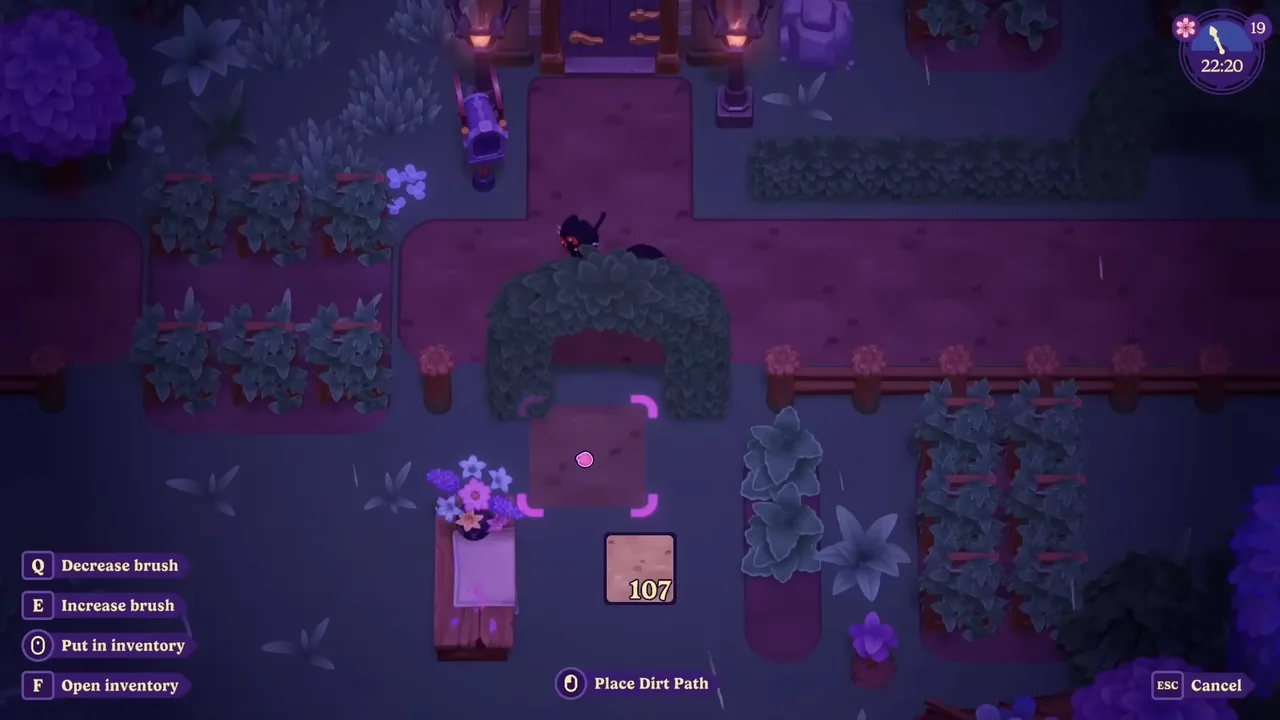
15. Dekorieren ist ein flexibles Raster: Drehen, stapeln und platzieren Sie Unordnung auf Möbeln
Dekorieren (Innenraum). und außen) ist fertig von oben nach unten auf einem Kachelraster. Sie können nicht auf halbe Kacheln versetzen oder Dinge in freien Winkeln platzieren, aber Sie kann drehen die meisten Objekte, stapeln Sie kleine, unordentliche Gegenstände darauf kompatible Möbel und passen Sie die an Pinselgröße beim Verlegen von Wegen. Einige Artikel sind auch vorgewinkelt, sodass Sie immer noch den Eindruck erhalten, dass „nicht alles festsitzt“. Und das alles geschieht über deinen Vampir Telekinese, sodass Objekte schweben, wenn Sie sie bewegen – pure Stimmung. Unser Dekorationsanleitung geht tiefer.
Magie, die Ihre Spielweise verändert
Die Demo zeigt alles acht Kernzauber; Eine Early-Access-Vorschau des fast endgültigen Builds bezifferte die endgültige Gesamtsumme auf 12. ⚠️ Vorabveröffentlichung – die Zahl ist noch in Bewegung. So oder so sind Zaubersprüche kein Geschmack; Sie verändern Ihre Routine.
16. Casting ist ein schnelles Muster-Minispiel – Sie werden es sich schnell merken
Jeder Zauber wird durch das Abschließen eines kleinen Zaubers gewirkt Muster-/Rune-Minispiel – ein leichter Gedächtnistest. Mehrere Zuschauer, die nervös waren, weil sie sich „Bewegungen merken“ mussten, berichteten vom Gegenteil: Es läuft reibungslos, das Spiel zeigt Ihnen das Muster und Sie werden Ihre am häufigsten verwendeten Zaubersprüche innerhalb einer Sitzung auswendig lernen. Lassen Sie sich von der Idee des Gesten-Castings nicht abschrecken.
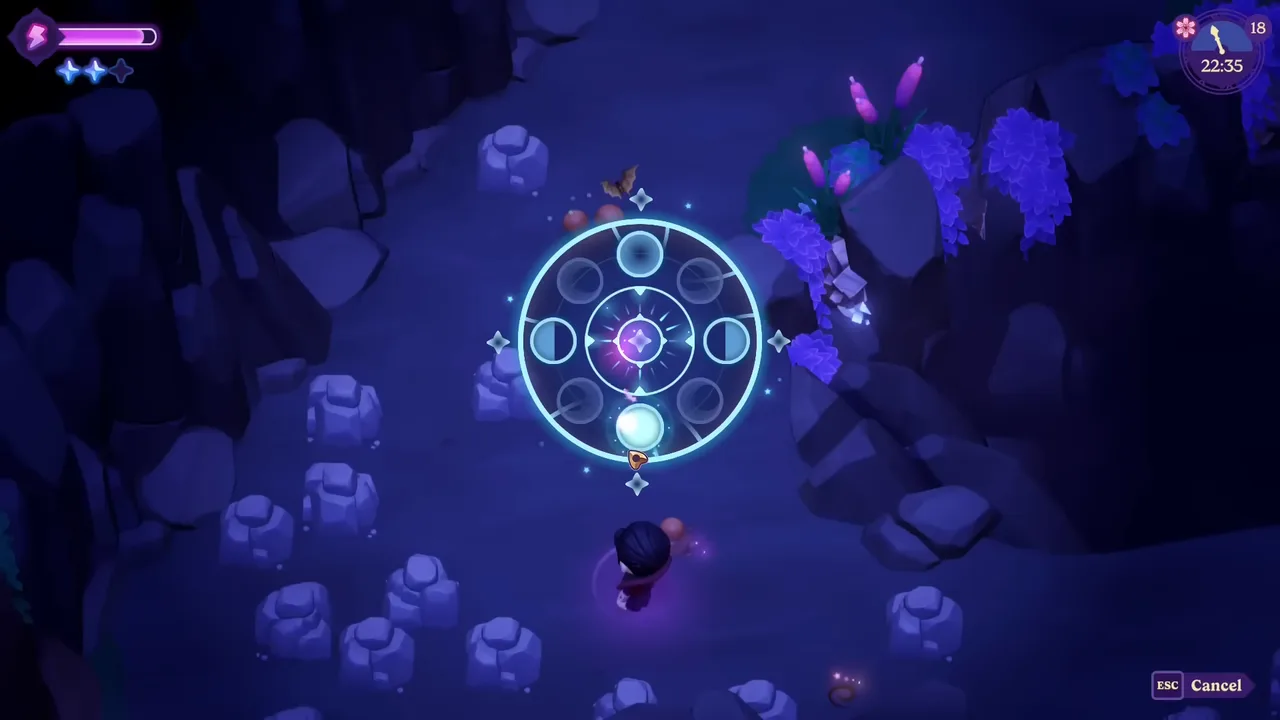
17. Der Zauber „Baum bewegen“ ist ein Cheat-Code für die Landschaftsgestaltung
Ein Zauberspruch ermöglicht es dir Bäume aufheben und bewegen ohne sie zu fällen, neu zu pflanzen und darauf zu warten, dass sie nachwachsen. Für alle, denen die Gestaltung eines Bauernhofs am Herzen liegt, ist das eine große Sache: Sie können die Anlage um alte Bäume herum umgestalten, anstatt jahrelanges Wachstum zu zerstören. Die gleiche Zauberfamilie „Große Dinge bewegen“ gilt auch für Gebäude. Wenn Sie Dekorateur sind, geben Sie diesem Vorrang.
18. Automatische Werkzeuge sparen Ausdauer – mit einer Einschränkung in Höhlen
Zauber können einen beschwören selbstausgießende Gießkanne und a magische Axt/Spitzhacke die selbst Ressourcen sammeln – ein wunderbarer Ausdauersparer auf der Farm. ⚠️Wissenswerter Vorbehalt vor der Veröffentlichung: Ein Vorschauer fand das heraus, als er die magische Spitzhacke herbeirief in den Höhlen, er konnte seine eigene Spitzhacke nicht daneben benutzen – er musste stehen und zusehen, was sich für das ausgegebene Mana als wenig wert anfühlte. Es kann sich um einen Fehler oder um eine Absicht handeln; So oder so, erwarten Sie noch nicht, dass Sie mit einem beschworenen Werkzeug Ihr Mining verdoppeln.
19. Sie können Ernten umwandeln und das Wetter verändern
Über die Hausarbeit hinaus wird Magie wirklich wild: Es gibt Zaubersprüche, die man erledigen kann verwandeln Sie eine Ernte in eine völlig andere Ernte und zu das Wetter ändern (Regen beschwören, der auch alles kostenlos bewässert). Dies eröffnet Planungstricks – an Regentagen kann man ganz auf das Gießen verzichten. Sehen Sie sich das Ganze an Zauberliste und Hexereiführer.
In der Stadt herumkommen
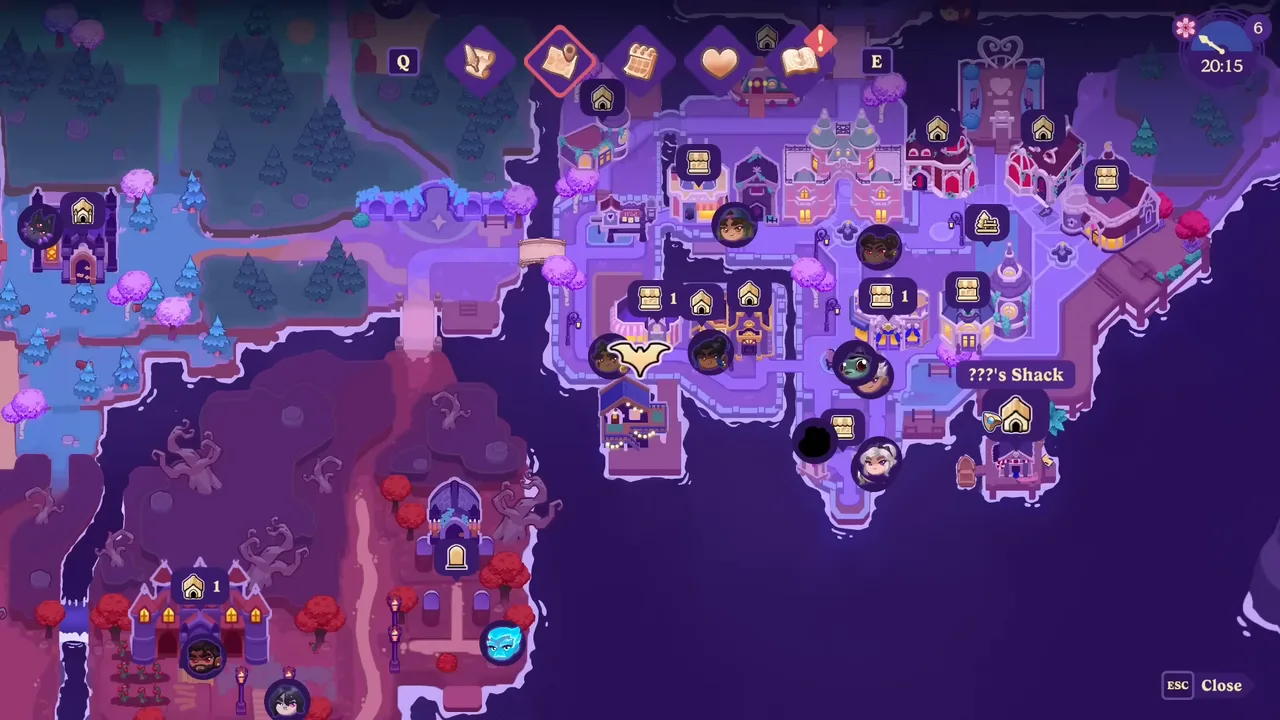
20. Verwandeln Sie Ihre Gestalt, um sich schnell zu bewegen – und lassen Sie Ihre Werkzeuge fallen
Zwei Bewegungsfakten, die zusammenpassen. Erstens, Das Halten eines Werkzeugs (insbesondere der Schaufel) verlangsamt Sie erheblich – eine bewusste Designentscheidung, aber eine mühsame, also verstauen Sie Ihre Werkzeuge, wenn Sie unterwegs sind. Zweitens entsperren Sie Gestaltwandlung: die cat/Hellkitten-Form läuft viel schneller (Stellen Sie es sich wie ein Pferd vor, das Sie sofort und überall herbeirufen können) und das Fledermausform fliegt über Hindernisse und Wasser um Orte zu erreichen, die Sie sonst nicht erreichen würden. Es gibt drei Transformationen insgesamt im Laufe der Zeit freizuschalten. Zwischen schnellen Formen, der Karte und dem Teleport des Hexenkreises, die Fortbewegung in der großen Welt bleibt schmerzlos. Mehr drin Gestaltwandlung und Fledermausgestalt.
Entdecken Sie alles – die Welt verbirgt Dinge
Die Stadt, der Wald, das Ambrosia-Gebiet, die Katakomben und der tiefe Wald können erkundet werden, weitere Gebiete werden später freigeschaltet. Zuschauer sagten wiederholt, dass das Spiel sie beim Erkunden überrascht habe.
21. Fangen Sie Soul Blobs mit Ihrem Insektennetz – es zahlt sich aus
Diese Seelenblobbs über die Karte schaukeln? Fang sie mit deinem Fehlernetz. Jeder erzählt Ihnen die (freudig morbide, immer alberne) Geschichte darüber, wie diese Seele ihr Ende fand – und wie sie Hits einsammelte Meilensteinprämien, einschließlich des Zeitverlangsamungsvorteils aus Tipp 3. Es ist eine Schnitzeljagd mit echten mechanischen Vorteilen, nicht nur mit Lore-Flair. Details in Seelenblobbs und Vampire.
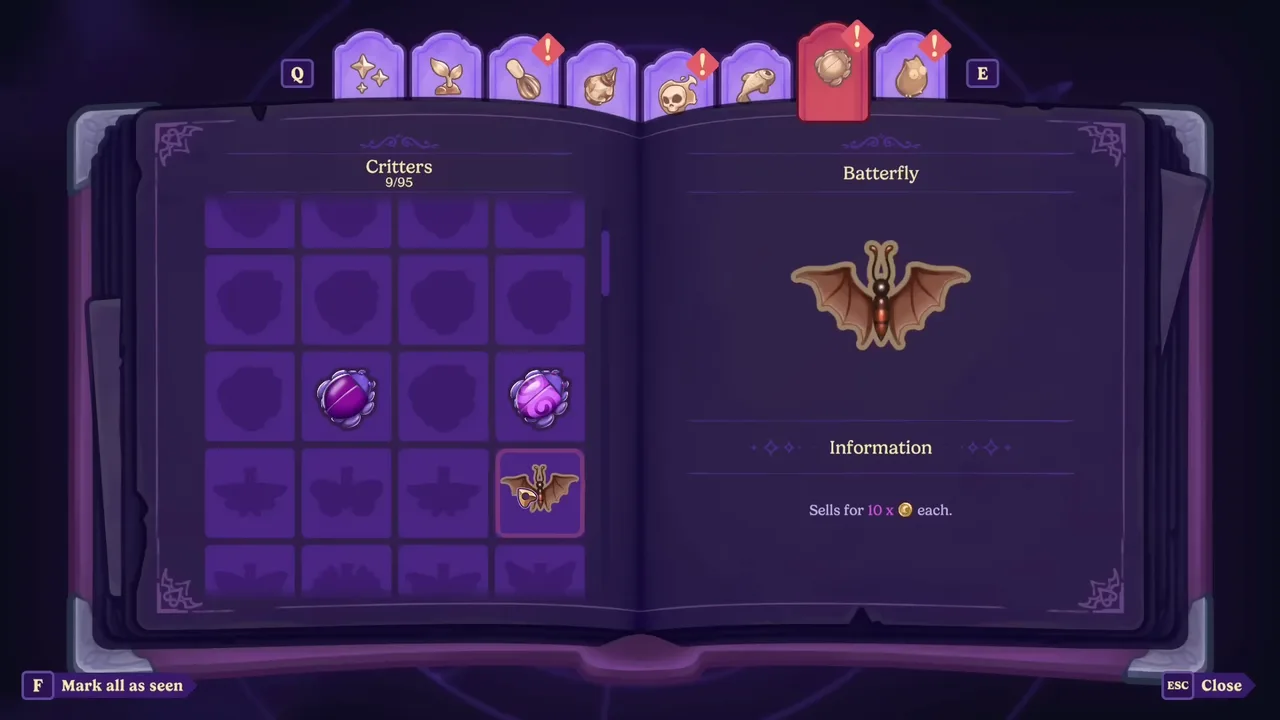
22. Es verstecken sich über 100 Vampire – einige tragen Verkleidungen
Verstreut über die ganze Welt über 100 Vampster – kleine Fledermäuse zum Finden und Sammeln – und einige sind es Hüte tragen, um sich in ihre Umgebung einzufügen, also brauchen sie ein scharfes Auge, um sie zu erkennen. Es ist eine beharrliche, andauernde Schnitzeljagd, die alles andere, was Sie tun, überlagert. Halten Sie in jedem neuen Bereich die Augen offen.
23. Schaufeln Sie die magischen Ausgrabungsstellen und bauen Sie die Höhlen ab
Zwei leicht zu übersehende Einnahmequellen. Magische Ausgrabungsstätten Belohnen Sie Ihre Schaufel mit zufälligen „Glanzstücken“ – Sie wissen nie, was Sie hochziehen werden, also graben Sie jedes Exemplar aus, an dem Sie vorbeikommen. Und die Höhlen-/Katakombensystem ist voll von Erz, Kristalle und Schätze; Es ist Ihre Quelle für die Metalle, die für die Modernisierung von Öfen und bessere Werkzeuge erforderlich sind. Integrieren Sie in Ihre Erkundungsnächte einen „Dig-and-Mine“-Pass. Es gibt kein Kampf da unten – es ist reine Versammlung. (Ausführliche Informationen finden Sie im Führer zu Höhlen, Bergbau und Katakomben; Für die Verarbeitung dessen, was du meinst, siehe Landwirtschaftliche Helfer und Maschinen.)
Stadtbewohner, Romantik und Beziehungen
24. Romantik ist weit offen – aber die Ehe ist eine einmalige Entscheidung
Die Liste der Liebesromane ist groß: Die Anzahl der Early-Access-Builds reicht von 21 bis 24 Kandidaten (die Community-Wiki-Listen 24), die Vampire, Werwölfe, Hexen, Meerjungfrauen, Menschen – und ja, Tod selbst. Ein paar Dinge, die alle bestätigt haben:
- Keine Geschlechtsbindung. Jeder Kandidat steht jedem Spieler zur Verfügung.
- Sie können mit mehreren Personen gleichzeitig ausgehen – aber Ihre Partner werden es tun Hinweis und Kommentar darauf, Jonglieren hat also soziale Konsequenzen.
- Die Ehe gilt ausschließlich für eine Person NPC, also sind die Affären eher beiläufig, aber der Ring ist eine echte Entscheidung.
- Sie können Ihren Ehepartner in einen Vampir verwandeln nach der Heirat.
- Keine Kinder – die Entwickler haben bestätigt, dass es kein Kindersystem gibt, also stellen Sie die Erwartungen entsprechend ein.
Unsere Liebesführer verfolgt die bestätigten Liebsten.
25. Das Spiel verfolgt Ihre letzten 8 Geschenke pro Person – nutzen Sie es
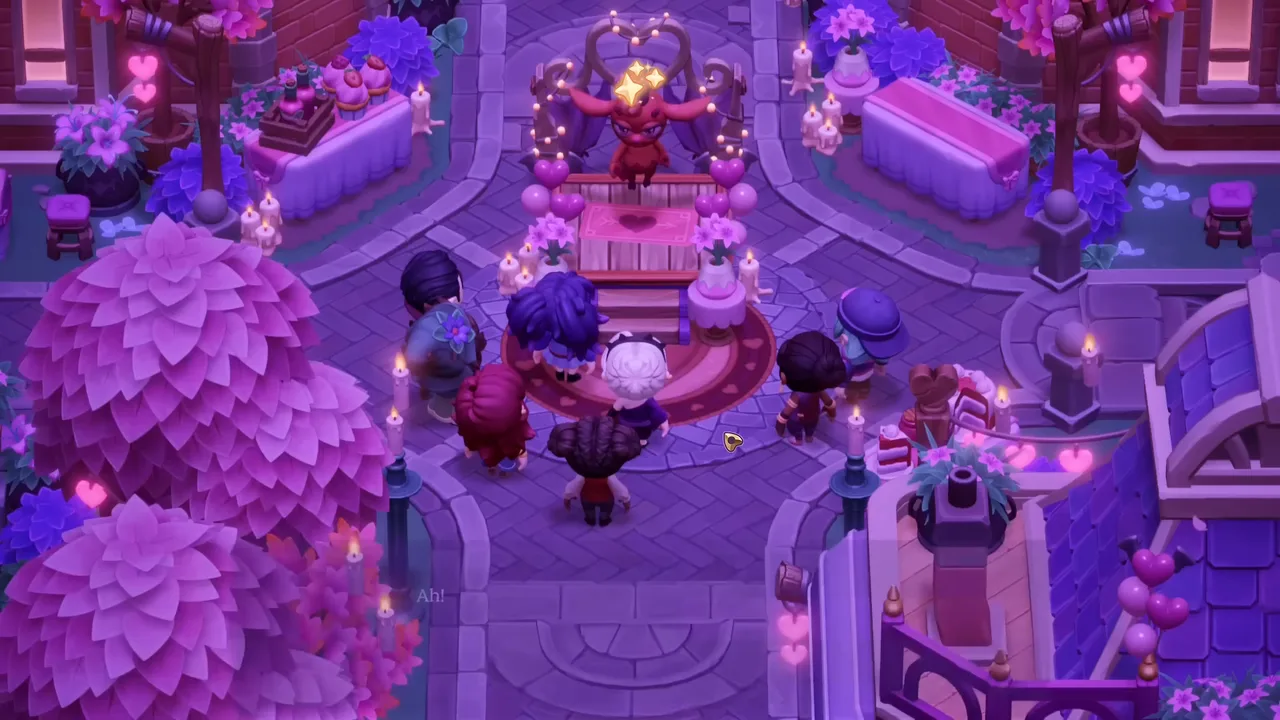
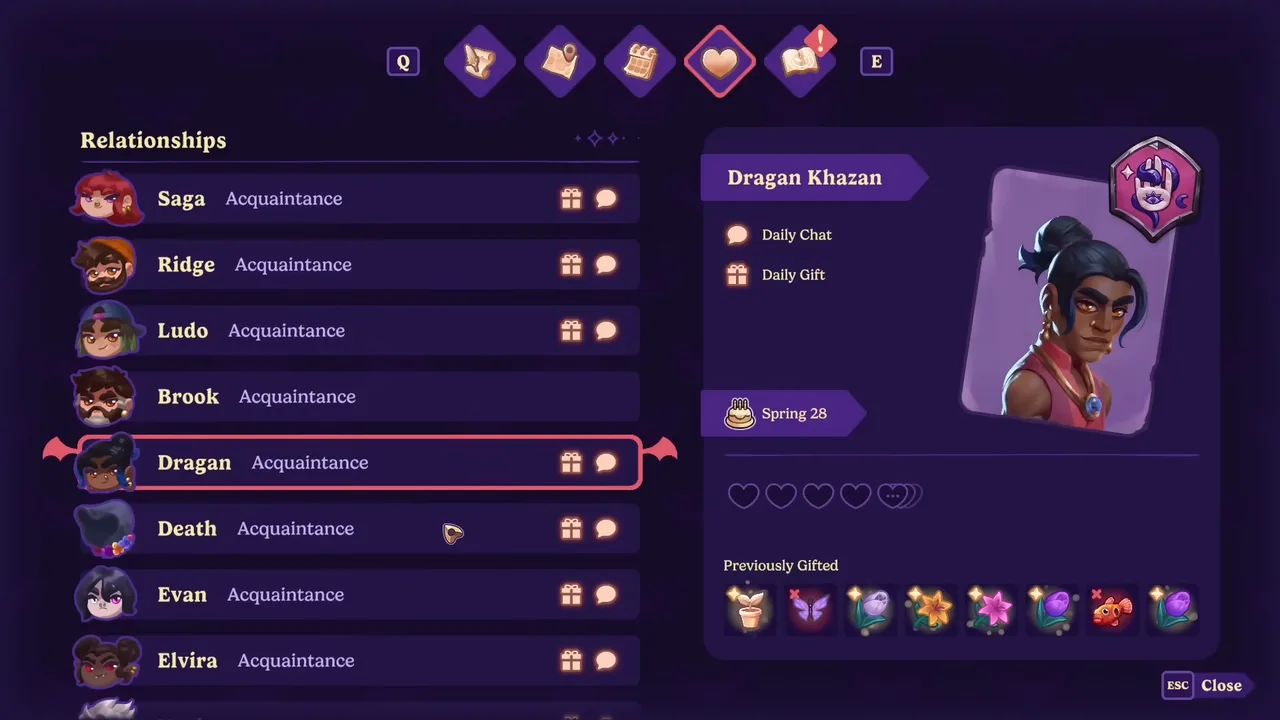
Sie müssen sich nicht jeden Geschmack merken. Das Spiel merkt sich die letzten acht Gegenstände, die Sie jedem Charakter gegeben haben, zeigt Ihnen, was sie sind gemocht, geliebt oder nicht gemocht – Schenken ist also eine risikoarme Möglichkeit, Vorlieben experimentell zu erlernen. Erreichen ein Herz mit jemandem schaltet ein Charakterereignis frei, das seine Geschichte eröffnet. Gesammelte Blumen, individuelle Blumensträuße und bestickte Wandstücke sind allesamt gute Geschenke. Und behalten Sie es im Auge Liebstöckel, das Valentinsfest des Spiels, das von der Amorfigur veranstaltet wird Lemmy, wo Sie Geschenke verschicken und Mahlzeiten mit den Charakteren teilen können, die Sie umwerben. Sehen Geschenke und Freundschaft.
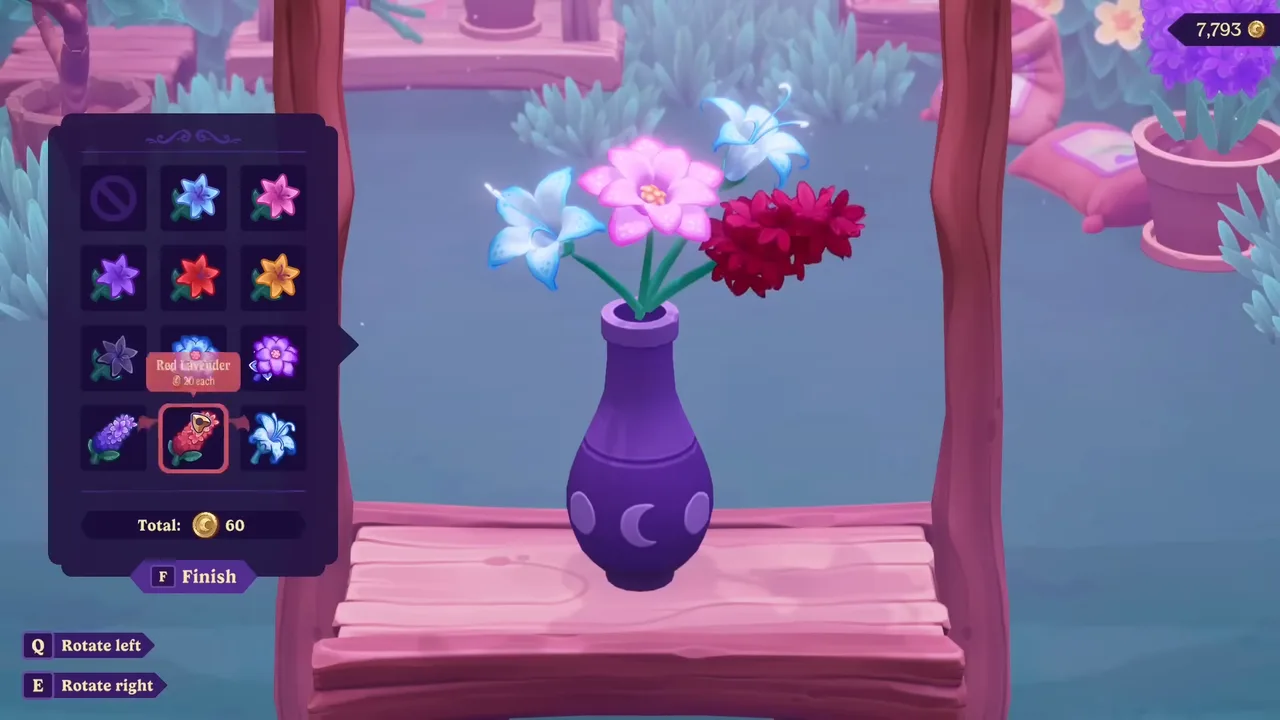
Sie sind sich nicht sicher, was Sie schenken sollen? A individueller Blumenstrauß – Blütenblatt für Blütenblatt im Blumenarrangement-Minispiel angeordnet – ist ein Geschenk, das Sie an jeden Charakter anpassen können (und es dient gleichzeitig als Dekoration, wenn es sich noch niemand verdient hat).
Hobbys, Feste und einfache Münzen
Der Bauernhof und die Romantik sind nur die Hälfte davon. Moonlight Peaks ist vollgestopft mit langsameren Vergnügungen und Nebensystemen, und einige davon belohnen Sie stillschweigend mehr, als Sie erwarten würden.
26. Kochrezepte stammen aus Kochbüchern und aus Entdeckungsreisen – und Essen ist Ihr Treibstoff
Kochen ist nicht nur Geschmack; es ist dein Auffüllen von Ausdauer und Mana, daher lohnt es sich, frühzeitig zu investieren. Sie fangen nicht an, Rezepte zu kennen – Sie lernen Sie sie aus süßen kleinen Kochbüchern Sie kaufen in der Stadt und entdecken beim Erkunden mehr in der Welt. Die Küche bezieht, wie jede Bastelstation, die Zutaten direkt von Ihnen universeller Hausspeicher, wenn Sie also ein paar Nahrungspflanzen im Wechsel halten, haben Sie immer etwas zum Kochen. Die rettende Gewohnheit läuft: Bewahren Sie einen kleinen Vorrat an gekochten Gerichten auf vor einer großen Landwirtschafts- oder Bergbaunacht, sodass Sie beide Riegel unterwegs auffüllen können, anstatt nach Hause zu wandern. Vollständige Anleitung in Kochen & Rezepte.
27. Das Angeln ist entspannt – aber für manche Fänge ist ein Werkzeug-Upgrade erforderlich
Angeln ist hier bewusst stressarm: Man wirft den Schatten im Animal-Crossing-Stil an und holt sich mit einem Minispiel, dem die Zuschauer zustimmten, ist nicht frustrierendund verschiedene Fische leben in verschiedenen Gewässern auf der Karte. Eine wissenswerte Besonderheit: Mindestens ein Spieler hat sie gefunden konnte einen zu großen oder zu seltenen Fang nicht einholen mit der Startrute – wenn also ein Fisch immer wieder entkommt, ist das Ihr Hinweis Verbessern Sie Ihre Angelausrüstung und kein Zeichen dafür, dass Sie etwas falsch machen. ⚠️ Vorabversion – dies kann bis zur Veröffentlichung angepasst werden. Betrachten Sie Angeln eher als Entspannung und leichtes Einkommen denn als Geldmaschine; siehe Angeln und Nahrungssuche.
28. Stickerei wird zu echter Wandkunst – und lernen Sie Nokturna früh
Zwei „Hobbys“, die es in sich haben. Stickerei ist ein einfaches Minispiel im Pixel-Art-Stil, aber der Gewinn ist großartig: Ihre fertigen Teile werden hängende Wanddekorationen (und verschenkbare Kunst), so dass selbst ein grober Versuch Ihnen ein Andenken einbringt. Und Nokturna, das Sammelkartenspiel der Stadt, ist sowohl ein Zeitvertreib als auch ein Freundschaftsbildner – Sie sammeln Karten und spielen gegen die Bewohner. Wenn Sie also frühzeitig die Regeln lernen, sind Sie bereit, wenn jemand Sie herausfordert. Taucht tief ein Stickerei, Blumenarrangement und die Nokturna-Führer.
29. Saisonale Feste prägen das Jahr – planen Sie entsprechend
Der Kalender ist nicht nur für Pflanzen gedacht. Jede Jahreszeit bringt Festivals und Veranstaltungen auf die sich die ganze Stadt konzentriert – die Zuschauer überprüften den Namen des Grand Evernight Festival, an Herbstfest mit Minispielen und im Valentinsstil Liebstöckel (aus Tipp 25). Über die Atmosphäre hinaus bringen Festivals saisonales Dekor Sie sind nur zu dieser Jahreszeit erhältlich. Wenn Sie also ein Dekorateur sind, betrachten Sie sie als limitierte Tropfen. Behalten Sie den Kalender im Auge und planen Sie keine große Ernte für einen Festivalabend ein. Mehr drin Festivals und Veranstaltungen.
30. Arbeiten Sie auf der Jobbörse – und halten Sie Ausschau nach geheimen Händlern und questgesperrten Blaupausen
Zwei leicht zu übersehende Belohnungsströme runden das Ganze ab. Es gibt eine Jobbörse in der Stadt bei Bewohneranfragen – einen verlorenen Gegenstand aus einem bestimmten Bereich holen, eine Backware liefern – die sich auszahlen schnelle Münze und guter Wille für wenig Aufwand; Werfen Sie einen Blick darauf in Ihre Stadtrundgänge. Und erforschen Sie weiter, denn die Zuschauer sind darüber gestolpert geheime Geschäfte, die von magischen Händlern betrieben werden, plus Blaupausen hinter Quests gesperrt (Abschließen der Wein-Questreihe, zum Beispiel freigeschaltete Möbelrezepte zum Thema Wein). Die Lektion: In diesem Spiel die Geschichte schreiben und jeden Winkel durchstöbern ist selbst eine Geld-und-Freischaltungs-Strategie, kein Umweg davon.
Ein paar Dinge, die man einfach erwarten kann
Nicht gerade Tipps, aber Erwartungen wecken, die die Zuschauer den neuen Spielern mitteilen wollten:
- Die erste Woche ist der langsame Teil. Die Ausdauer ist knapp, die Systeme entsperren sich nach und nach und die Premierenabende können sich eintönig anfühlen. Das ist beabsichtigt – der Drip-Feed sorgt dafür, dass ein 50–60-stündiger Spieldurchgang frisch bleibt – also schieben Sie die erste Spielwoche durch und es öffnet sich. (Entwicklerschätzung: ~50–60 Stunden für ein durchschnittliches Durchspielen.)
- Kein Kampf. Dies ist ein gemütliches Story- und Hobby-Spiel, kein Rollenspiel mit Kämpfen. Die Spannung entsteht durch die Konflikte der Familien und die Geschichte, nicht durch Schlachten.
- Controller zuerst. Schon die frühesten Demos boten eine hervorragende, flüssige Controller-Unterstützung; Die Zuschauer lobten es durchweg, so dass das Spielen auf einem Pad oder Steam Deck ist ein erstklassiges Erlebnis.
- Ihr Demo-Speicher wird nicht übertragen. Wenn Sie das spielen Demo Lassen Sie sich nicht zu sehr darauf ein – die Eröffnung des gesamten Spiels ist unterschiedlich und Spielstände werden nicht übertragen. Experimentieren Sie frei.
Das ist der Tresor. Beginnen Sie für den geführten Pfad mit dem Einsteigerhandbuch und Komplettlösung für die erste Woche; Für das Gesamtbild siehe alles was wir wissen; Und wie das Spiel zu seinem Aussehen kam, erfahren Sie im Kunst- und Entwicklungsfunktion.