Die meisten Landwirtschaftssimulationen erleichtern Ihnen den Einstieg mit einer Zwischensequenz und einer einzelnen Packung Pastinakensamen. Moonlight Peaks reicht Ihnen einen vollen Werkzeuggürtel, zeigt auf ein überwuchertes Gehöft und sagt im Grunde: Viel Glück, gleich geht die Sonne auf. Die Eröffnung ist großzügig, aber ohne Anleitung – hier erfahren Sie, wie Sie Ihre erste Nacht und Ihre erste Woche ohne Gedränge verbringen.
Diese exemplarische Vorgehensweise deckt die Startversion des Spiels ab, verglichen mit erweiterten Durchspielen und dem Community-Wiki. Wenn Sie die Hauptgeschichte lieber Schritt für Schritt verfolgen möchten, ist unser Komplettlösung für Story-Quests listet jede Hauptquest mit ihren Zielen und Belohnungen auf.
Bevor Sie auf Start drücken: Sie benennen drei Dinge
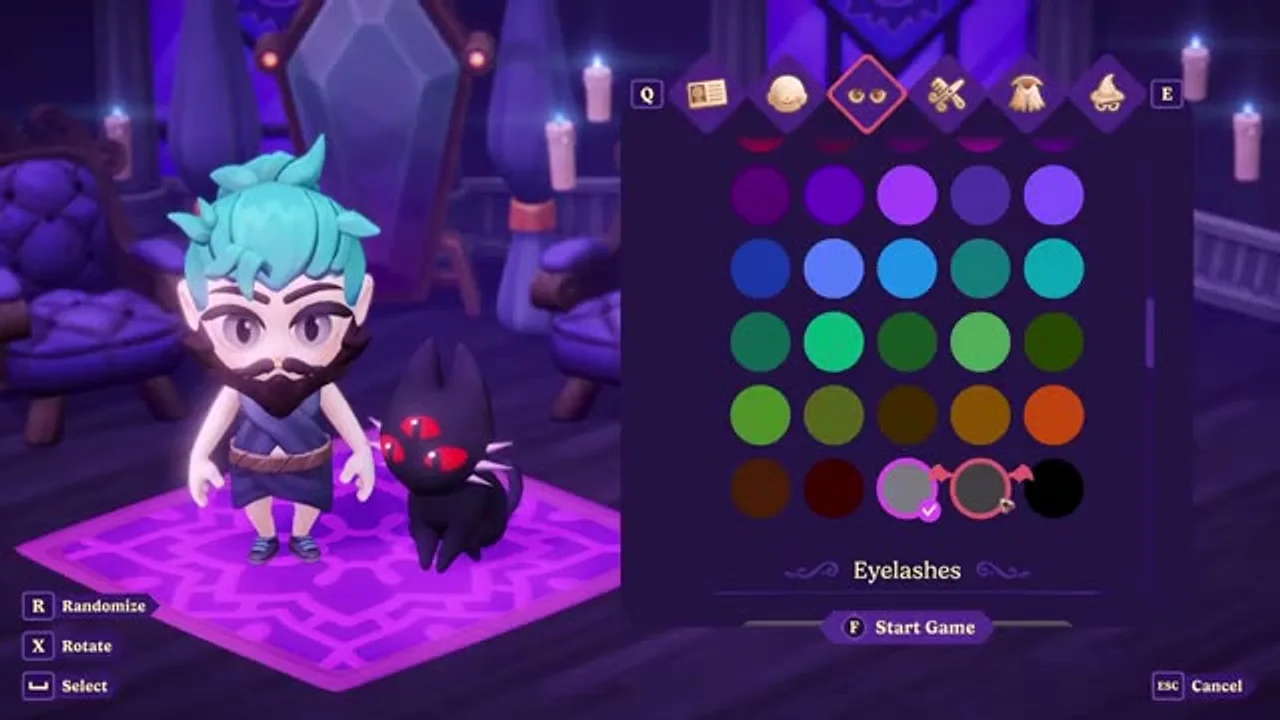
Der Charakterersteller kleidet Ihren Vampir nicht nur ein – er gibt ihm auch einen dauerhaften Namen Ihr Charakter, Ihre Farm und Ihr Hellkitten-Begleiter. Wenn Sie der Typ sind, der zwanzig Minuten lang auf einem Kosenamen herumzögert (wir sehen uns), entscheiden Sie sich dafür, bevor Sie sich setzen, damit Ihnen die Speisekarte nicht den Abend auffrisst.
Deine erste Nacht, der Reihe nach
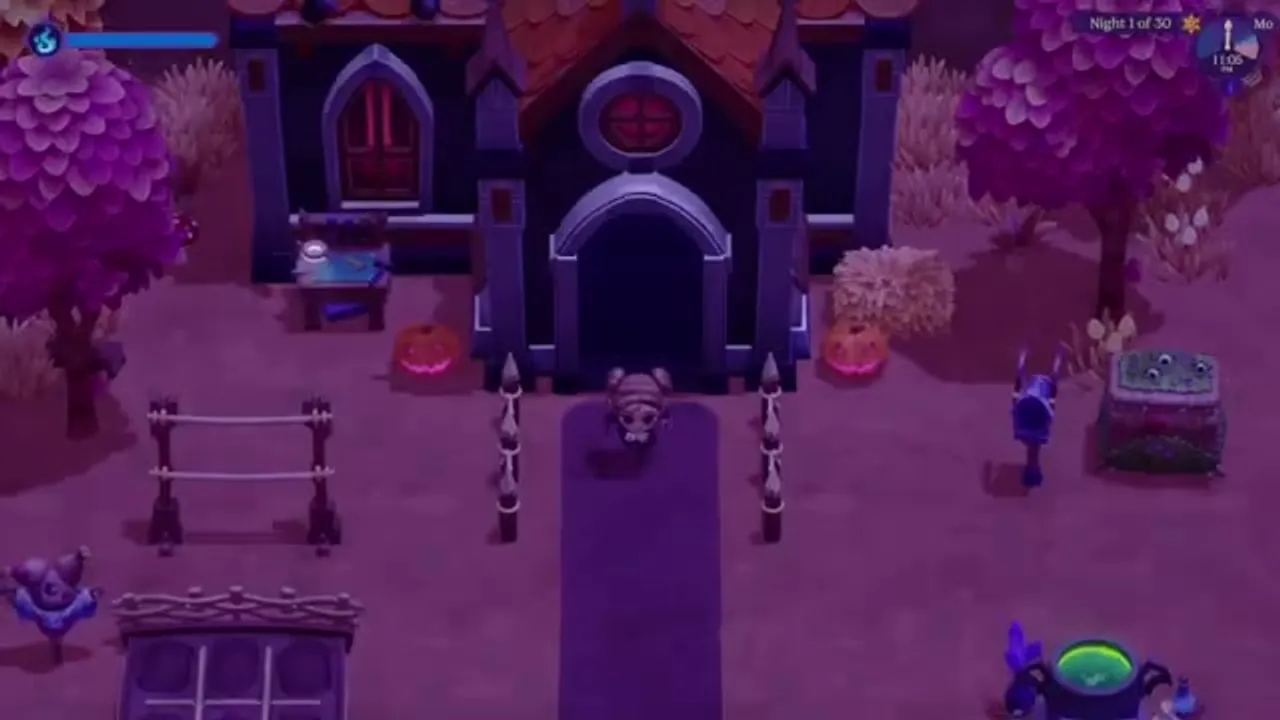
Sie kommen mit einem Sarg und einer dreiäugigen Katze mit dem Zug in der Stadt an, frisch von einem Streit mit dem lieben alten Vater (Dracula). Ihr geerbtes Haus braucht Liebe; Die Stadt braucht mehr. Hier ist die effiziente Eröffnungsschleife:
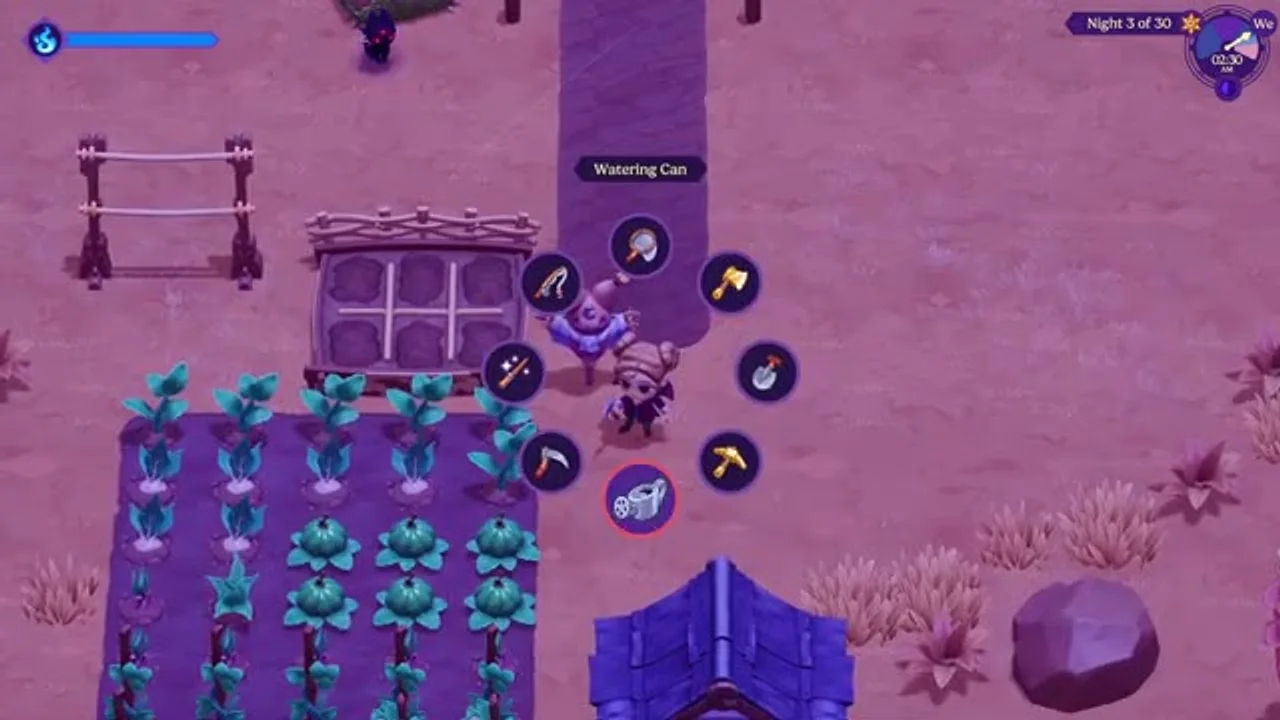
- Schnapp dir deine Werkzeuge. Sie erhalten alles auf einmal – Schaufel, Gießkanne, Angelrute, Insektennetz, Axt, Spitzhacke – über einen Schnellzugriff Werkzeugrad. Sie beanspruchen keinen Platz im Inventar, Sie müssen sich also keine Sorgen um den Transport machen.
- Kaufen Sie ein paar Samen von klein auf Hütte im Wald (es ist rund um die Uhr geöffnet).
- Bebauen und Pflanzen a klein Patch – derzeit nur so viel, wie Sie per Hand gießen können.
- Bewässern Sie es und gehen Sie dann auf Erkundungstour. Das Spiel gibt Ihnen keinen Wegpunkt; Sie lösen den nächsten Story-Beat aus, indem Sie hineinwandern.
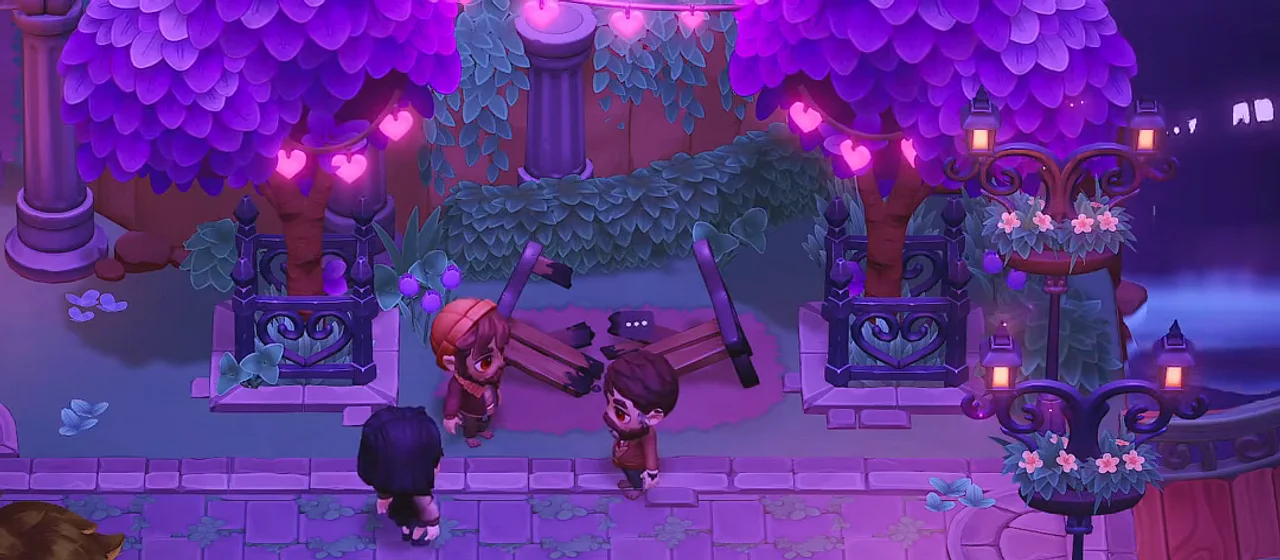
- Sprechen Sie mit den Bewohnern. Das Treffen mit Menschen eröffnet Geschäfte, Rezepte und Quests. Einer der ersten, den Sie treffen werden, ist Orlock, ein fröhlich betrunkener Vampir, der Sie bittet, ihm welche zu machen Wein – deine erste richtige Quest.
- Gehen Sie vor ca. 6:00 Uhr wieder in Ihren Sarg. Die Uhr wird gegen 5:30 Uhr deutlich laut, um Sie nach Hause zu schubsen. Ja, Sie bewirtschaften jetzt nachts.
Das ist eine komplette erste Nacht. Alles unten ist das, was den Rest der Woche zum Klicken bringt.
Die Geschichte ist Ihre Karte
Hier ist die Änderung der Denkweise, die neuen Spielern die meiste Frustration erspart: Moonlight Peaks gibt Ihnen keine Wegpunkte. Es gibt keinen Questpfeil, der Sie zum nächsten Takt bringt. Stattdessen schreitet die Geschichte voran, wenn Sie wandern Sie in eine Zwischensequenz – Wenn Sie also das Gefühl haben, nicht weiterzukommen, lautet die Antwort fast immer: „Erkunden Sie einen Teil der Stadt, den Sie noch nicht gesehen haben, und sprechen Sie mit Leuten.“
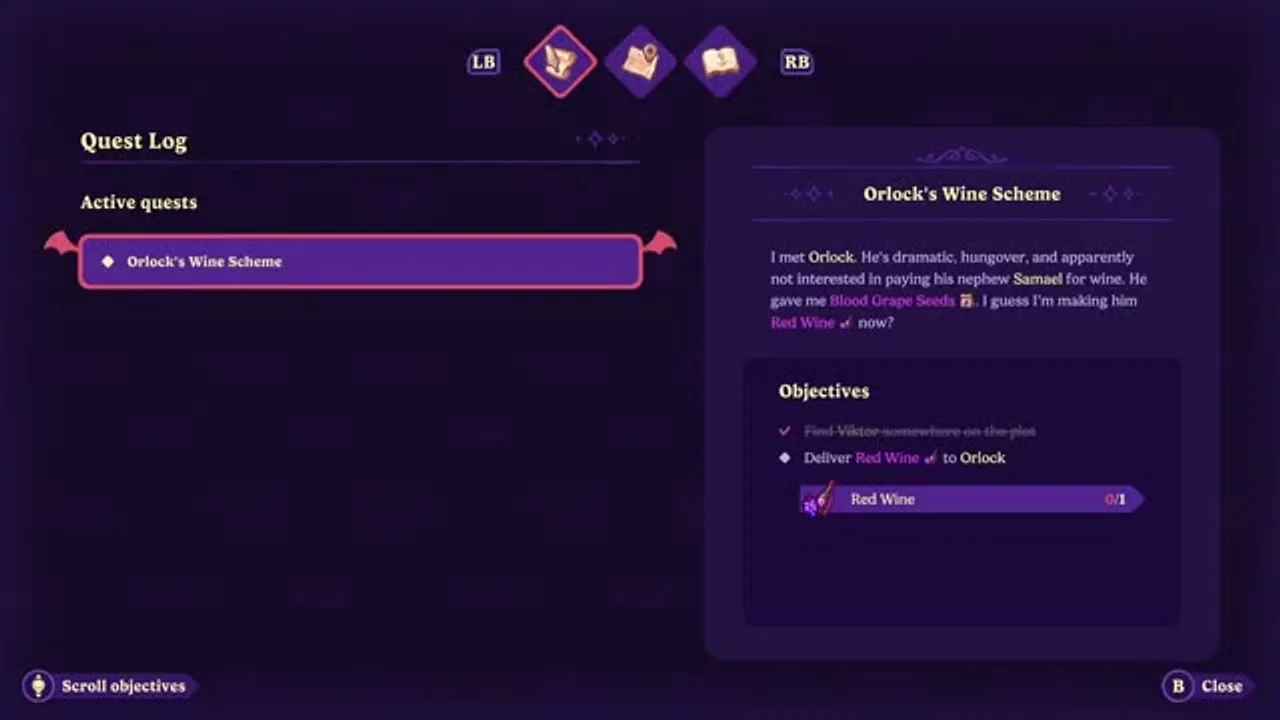
Dein Questprotokoll behält den Überblick, sobald die Dinge ins Rollen kommen. Nehmen Sie die erste Aufgabe von Orlock an: Er ist „dramatisch, verkatert und offenbar nicht daran interessiert, seinen Neffen Samael für Wein zu bezahlen“, also überlässt er Ihnen den Job – die Übergabe Bluttraubenkerne und bittet Sie, ihn auszuliefern Rotwein. Allein diese eine Quest bringt Ihnen im Stillen den Kernkreislauf bei – Weintrauben anbauen, ein Fass bauen, Wein fermentieren, liefern – und weist Sie auf einen anderen Bewohner (Viktor) hin, den Sie unterwegs finden können.
Das Fazit: Behandeln Sie die Hauptgeschichte als Ihre To-Do-Liste. Es schaltet Magie, Systeme und Rezepte nacheinander frei, sodass es in der ersten Woche normalerweise wertvoller ist, der nächsten Zwischensequenz hinterherzujagen, als isoliert die Farm zu zermahlen.
Reparieren Sie den Zauberstab – Magie ist das eigentliche Tutorial
Sie beginnen mit a zerbrochener Zauberstab. Das Befolgen der Hauptquest behebt das Problem und schaltet die Zauberwirkung frei. Hier beginnt das Spiel. Zauberkosten Mana (die kleinen Symbole oben), und Sie werfen sie nach Zeichnen der Rune in einem Schnellmenü. Das Zeichnen der Runen ist auf einem Controller schwierig – mehrere Spieler sind dafür auf die Maus umgestiegen.
Ihr erster Zauberspruch ist der Schlagzeilenspruch: a selbstausgießende Gießkanne das die Pflanzen für Sie bewässert. Bald darauf können Sie Ihre erste Transformation freischalten – die Hellkitten-Form, der den Boden mit weniger Energie bearbeitet und deutlich schneller läuft. Wenn man bedenkt, wie viel vom frühen Spiel ist auf Menschen zugehen, dieser Geschwindigkeitsschub allein ist schon eine Erwähnung wert. Mehr im Hexerei und Zaubersprüche und Gestaltwandlung Anleitungen.
Energie vs. Mana – beides aufgefüllt halten
Zwei Bars bestimmen Ihren Abend: Ausdauer (Werkzeuge, Hausarbeiten) und Mana (Zauber). Beide füllen sich auf die gleiche köstliche Art – essen. Gekochtes Essen ist am besten, aber am Anfang, wenn man pleite ist und die Ernte knapp ist, ist es bescheiden Traubensaft wird genug Energie zurückgewinnen, um die Nacht zu beenden. Horten Sie keinen Riegel; Ein gespeicherter Ausdauermesser tut nichts anderes, als den Sonnenaufgang zu beobachten.
Geld und die Kreatur, die deine Sachen kauft
Frühes Geld finanziert alles: Saatgut, Werkzeug-Upgrades, neue Gebäude, Ihr Haus. Sie verkaufen durch Chester – ein sprechendes Versandkartongeschöpf, das gleichermaßen charmant und charmant ist sehr Gespräch über jede Transaktion. Erwarten Sie, dass Sie Ihre ersten Upgrades durch den Verkauf von Feldfrüchten und verarbeiteten Waren finanzieren (Sie bauen ein Verarbeiter, Ofen und Fass jedenfalls früh für Quests). Was es wert ist, gehalten oder umgedreht zu werden, erfahren Sie im Landwirtschaftsführer.
Fortbewegung (es gibt keine Minikarte)
Zwei Dinge, die man frühzeitig verinnerlichen sollte: Die Kamera ist behoben (toll, wenn dir bei anderen Farmsimulationen mulmig wird), und das gibt es keine Minikarte – Sie öffnen das Menü für die Karte, das normalerweise zuerst den Questbildschirm anzeigt. Es ist nur zwei Knopfdrücke entfernt, also rechnen Sie damit, dass Sie diesen Tanz oft machen. Der Vorteil: Die Karte zeigt Standort jedes Bewohners (auch solche, die Sie noch nicht kennengelernt haben) und Geschäftsöffnungszeiten, was die Routenplanung wirklich nützlich macht.
Nebensammelobjekte können Sie jetzt starten
Zwei Langstreckenkollektionen beginnen ab der ersten Nacht zu bröckeln:
- Seelenblobbs – kleine Schädelseelen, die man fängt, um herauszufinden, wie jemand gestorben ist. Hauptsächlich Geschmack, außer die Belohnungen: Fangen 15 und Sie bekommen eine Uhr geschenkt verlangsamt die Zeit, was jeden Tag im Spiel effektiv verlängert. Das ist es wert, verfolgt zu werden.
- Vampster – Über 100 scheue, hühnerähnliche Lebewesen kehren in eine Höhle zurück. Sie können sie nur in Vampirgestalt aufheben, und sie fliehen zurück, wenn Sie sie außerhalb der Höhle fallen lassen, es ist also ein langsames Brennen – probieren Sie es aus, nicht zermahlen.
Magie, die es wert ist, zuerst Priorität zu haben
Sobald Ihr Zauberstab funktioniert, haben Sie die Wahl, was Sie lernen und freischalten möchten. Geben Sie in der Eröffnungswoche dem Praktischen Vorrang vor dem Auffälligen:
- Selbstgießende Gießkanne – Ihr erster Zauber und derjenige, der die nächtliche Hektik am meisten reduziert. Das Gießen von Hand ist etwas ungenau, daher ist das magische Gießen eine echte Erleichterung.
- Hellkitten-Form – die frühe Transformation. Die Bodenbearbeitung verbraucht weniger Energie und bewegt sich schneller, und da ein Großteil der ersten Woche kreuz und quer über die Karte gereist ist, um mit Leuten zu reden, verdient allein die Geschwindigkeit ihren Platz.
- Alles, was sammelt oder klärt – Zauber, die Steine entfernen oder dazu beitragen, dass sich die Ernte auszahlt, sobald Ihre Farm wächst. Der Zauberladen hat mehr, als Sie sich zu Beginn leisten können, also kaufen Sie zuerst die Arbeitsersparnisse.
Eine typische frühe Nacht
Sobald es Klick macht, findet eine gute Nacht ihren Rhythmus. Eine einfache Vorlage:
- Wach auf und überprüfe deine Ernte – wässern (oder gießen) und ernten Sie alles, was bereit ist.
- Erweitern Sie die Geschichte – Gehen Sie dorthin, wo die letzte Zwischensequenz gezeigt hat, oder erkunden Sie einen neuen Ort, um die nächste auszulösen.
- Erledige ein oder zwei Quest-Besorgungen – Liefern Sie einen Gegenstand, sprechen Sie mit dem Bewohner über eine Quest mit dem Namen.
- Versammeln Sie sich unterwegs – Sammeln Sie während der Reise Futter und Fisch, sodass sich die Reise amortisiert.
- Verkaufen Sie den Überschuss nach Chester und Bankmaterialien im Speicher.
- Gehen Sie vor ca. 6:00 Uhr zum Sarg. Lassen Sie sich nicht von der Morgendämmerung überraschen.
Was nicht in der ersten Woche zu erledigen
- Überdecken Sie den Bauernhof nicht mit Feldfrüchten Bevor Sie sie bewässern können – ein halbes totes Feld ist schlimmer als ein gepflegtes Viertel.
- Sitzen Sie nicht auf Ressourcen oder Energie. Übernachten Sie; Der langsame Optimierer verliert gegen den Spieler, der gerade ist macht Dinge.
- Betonen Sie nicht den „perfekten“ Start. Der alte Demo-Speicherstand wird nicht in die Vollversion übernommen, daher gibt es keine Legacy-Datei, die optimiert werden könnte – betrachten Sie diese frühen Nächte als Sandbox.
Für die größeren Gewohnheiten über die Eröffnung hinaus, unser Einsteigerhandbuch sammelt zehn Tipps für die ersten Wochen und Romantik legt fest, wann (und wer) mit dem Werben beginnen soll, sobald die Stadt geöffnet ist.