Moonlight Peaks ging es fast nicht um Vampire. Bevor es eine mondbeschienene Farm voller Hexen und Werwölfe war, versuchte die Little Chicken Game Company, eine gemütliche Simulation daraus zu machen Surfen. Dann wandern. Dann Tierfotografie. Dann kurz ein Kartenspiel. Nichts davon blieb hängen – bis zum Art Director Mia hat die Idee von Vampiren in Umlauf gebracht, und plötzlich hat die ganze Sache Klick gemacht.
Diese Seite ist die Making-of: Wie das Spiel sein Aussehen fand, die Neugestaltung der Charaktere, gegen die die Community beinahe ihr Veto eingelegt hätte, und das Handwerk hinter diesen gemütlich-gotischen Innenräumen. Es stammt aus den eigenen Entwicklerprotokollen des Studios – die beste Quelle, da die Entwickler ungewöhnlich offen über ihre eigenen Fehltritte sprechen.
Das Thema (und das Lila) finden
Der Vampir-Pitch funktionierte, weil er ein Problem löste. Little Chicken wusste, dass sie eine Lebenssimulation wollten, aber jedes frühere Thema wirkte generisch. Vampire waren vollgepackt mit reiche Überlieferungen und übernatürliche Freiheit – Magie, Gestaltwandlung, eine ganze nächtliche Welt – und lässt dennoch Raum für die gemütliche, sanfte Schleife, in der das Genre weiterläuft. Eine Community-Umfrage bestätigte die Vermutung und „Project Vampire“ war geboren.
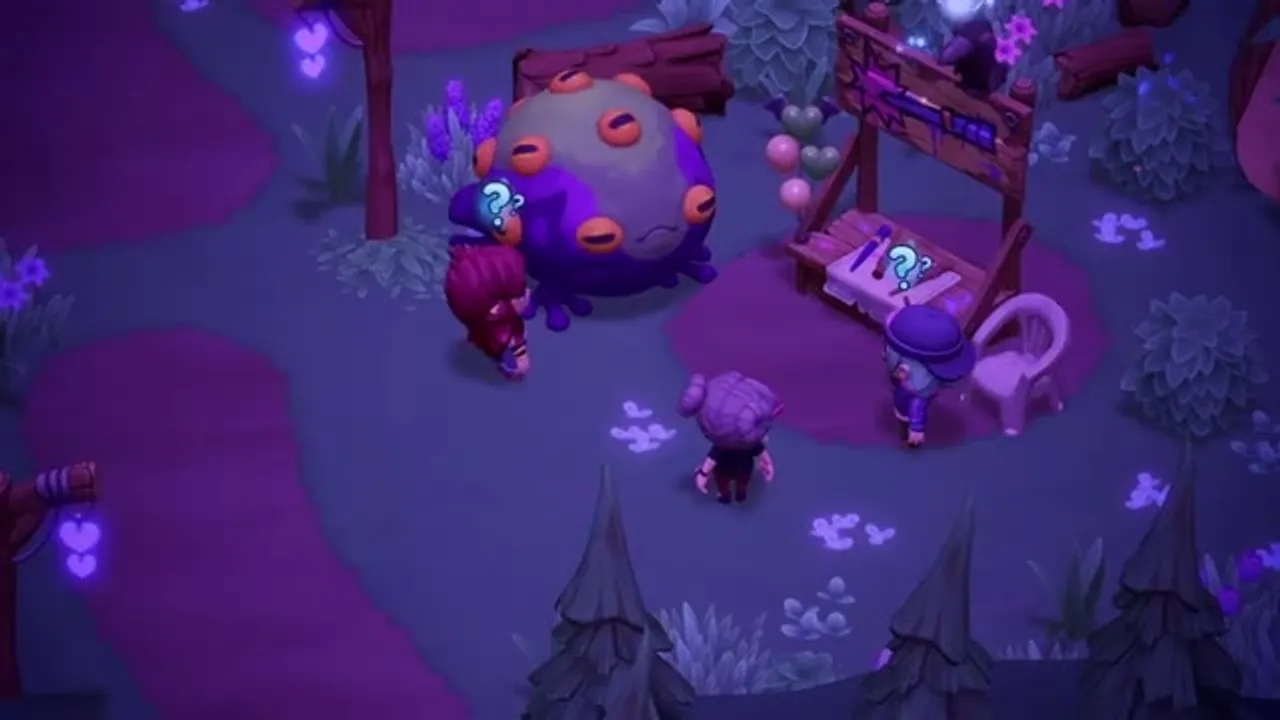
Als nächstes kam die folgenreichste Entscheidung: Das Spiel läuft nachts. Der Grund hierfür liegt darin, die Uhr an den nächtlichen Lebensstil eines Vampirs anzupassen Moonlight Peaks sieht im gemütlichen Regal wie nichts anderes aus – und warum es, in den eigenen Worten der Entwickler, „sehr lila 💜“ ist. Diese Palette ist kein Akzent; Es ist die gesamte Stimmung und ergibt sich aus einer Überlieferungsentscheidung darüber, wann ein Vampir wach ist.
Die Charakter-Neugestaltung, die die Fans fast abgelehnt hätten
Hier ist der ehrliche Teil, den die meisten Studios nicht veröffentlichen würden. Schon früh nutzte das Team einen schnellen Texturierungstrick namens „Lazy Unwrap“ – Farbverlaufsfolien, die über flache UVs gespannt wurden – was zum ursprünglichen Chibi-Stil passte. Aber während sie sich noch an die Verlage wandten, kamen sie zu dem Schluss, dass die Kunst an ihre Grenzen gestoßen war und hat das gesamte Spiel auf eine PBR-Pipeline (Physically Based Rendering) umgestellt für mehr visuellen Schwung.
Diese Überarbeitung brachte eine neu gestaltete Hauptfigur mit sich: mehr erwachsen, eher puppenhaft – und die Community tat es nicht Ich liebe es. Den Leuten, die das Projekt verfolgt hatten, war der niedliche, übertriebene Charme des Originals ans Herz gewachsen, und der neue Look hatte ihn stillschweigend abgeschliffen. Little Chicken, das seine laufenden Arbeiten offen in den sozialen Medien veröffentlicht, erhielt eine klare Botschaft zurück.
Also haben sie das Teuerste getan: ging zurück zum Zeichenbrett und überarbeitete den Charakterund zieht es zurück zum geliebten ursprünglichen Geist unter Beibehaltung die neue PBR-Pipeline. Die Version, die Sie im Charakterersteller der Demo selbst erstellen – Chibi-Proportionen, große ausdrucksstarke Augen, ein dreiäugiges Höllenkätzchen an Ihrer Seite – ist das Ergebnis dieser Kehrtwende.
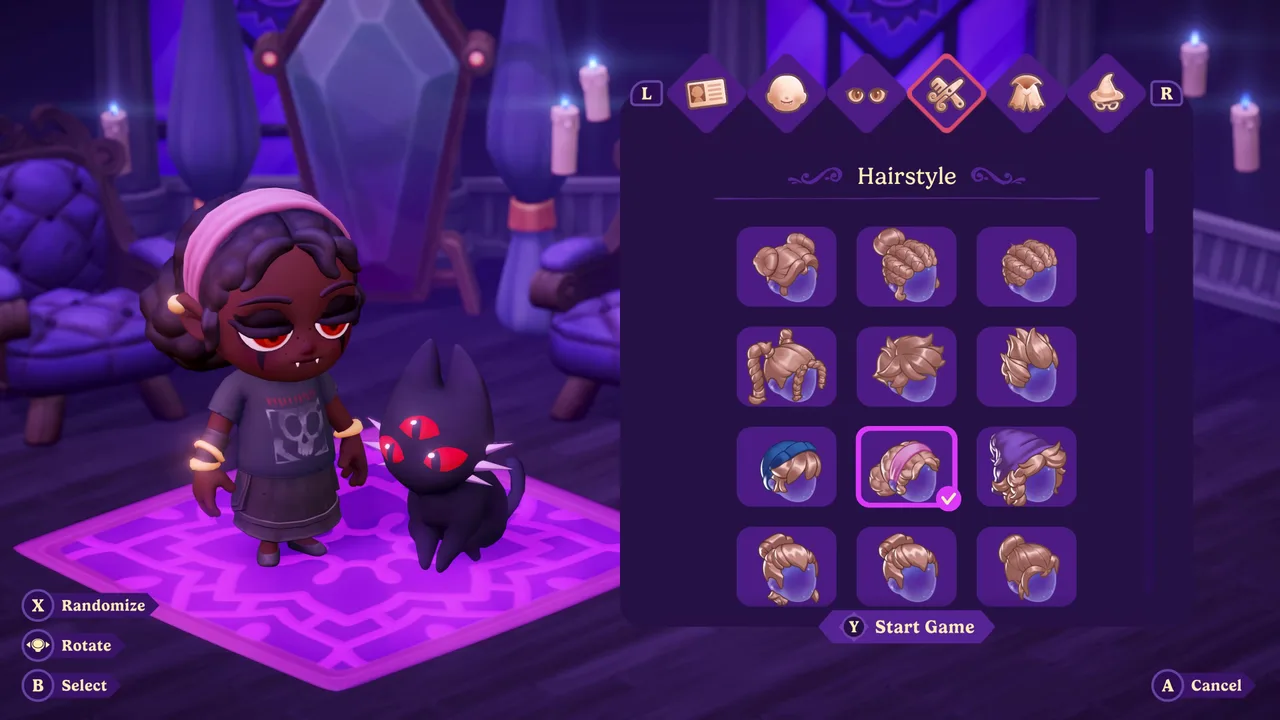
Die Lektion, die das Studio daraus gezogen hat, ist für jedes Live-Projekt gut: Wenn Sie in der Öffentlichkeit bauen, ist die Bindung Ihrer Community an das, was sie bereits gesehen hat, echte Daten und kein Rauschen.
Wie die Charaktere tatsächlich aufgebaut sind
Abgesehen von der Hauptfigur durchläuft die gesamte Besetzung eine richtige 3D-Pipeline. Models verwenden modulare Körperteile, sodass Kleidungsschichten das darunter liegende Netz verbergen können, anstatt es durchzuschneiden – die unscheinbaren Klempnerarbeiten, die verhindern, dass sich zwei Dutzend Outfits in ein Durcheinander sich überschneidender Polygone verwandeln. Es dauerte zwei Jahre, bis wir diese Bandbreite an Persönlichkeiten auf einen Blick lesen konnten.
Dann gibt es noch die Porträts – die Charakter-Nahaufnahmen, die im Dialog auftauchen. Künstler Konnie beschreibt, dass sie sich von „nur das Gesicht des Charakters zeigen“ zu „kleinen Momenten des Geschichtenerzählens an sich“ entwickeln. Entscheidend sind die Porträts Emote: Sie verändern den Ausdruck, um eine Dialoglinie zu unterstreichen, weshalb sich die Werwölfe laut anfühlen und die grübelnden Vampire, nun ja, grübelnd. Der Arbeitsablauf beginnt nicht mit dem Zeichnen, sondern mit Lesen – Konnie liest zuerst die geschriebene Geschichte jedes Charakters, damit die Emotionen in der Kunst mit den Worten im Drehbuch übereinstimmen. (Entwicklerprotokolle zeigen den Prozess bei Bewohnern wie Brook, Dragan, Pumpkinhead und Evan Ambrosia – der Café-Vampir, über den wir berichten Orlock-Familienseite.)
Die gemütlich-gotischen Innenräume
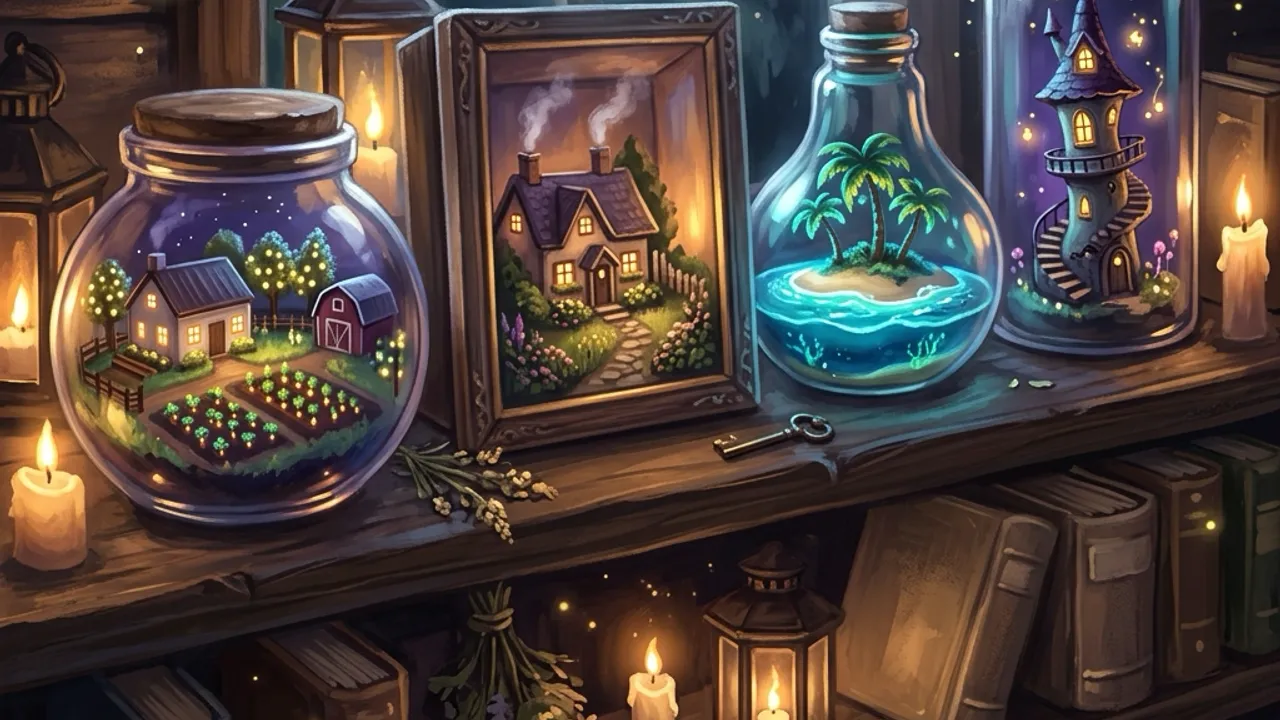
Die Umgebungen sind ihr eigenes Handwerk. 3D-Künstler Julia besichtigt den Bau eines der Innenräume des Spiels – der Werwolffamilie Logan Haus – und es ist eine Meisterklasse in Sachen Cozy-Game-Disziplin:
- Zuerst blockieren. Grobe Formen in der Engine, um den Maßstab zu treffen, denn ein Raum, der zu eng oder zu höhlenartig neben den kleinen Charaktermodellen ist, stört das ganze Gefühl.
- Anpassen an die Außenseite. Julia hat den Innenkamin so verschoben, dass er mit dem Schornstein auf dem Dach übereinstimmt – die Art von Detail, die Sie nie bemerken würden, aber bemerken würden Gefühl wenn es falsch wäre.
- Formen, dann fixieren. Weiche, klobige Formen; Holzmaserung und Holzspäne wurden der Skulptur hinzugefügt – aber bewusst nicht übertrieben, um den Look einer handgefertigten Spielzeugkiste beizubehalten.
- Kitbash den Rest. Mit einer großen gemeinsamen Asset-Bibliothek erstellen Künstler ein paar einzigartige Modelle pro Raum und verwenden alles andere auf einem wieder Gittersystem das macht auch Ihre Dekorieren fühlt sich flott an.
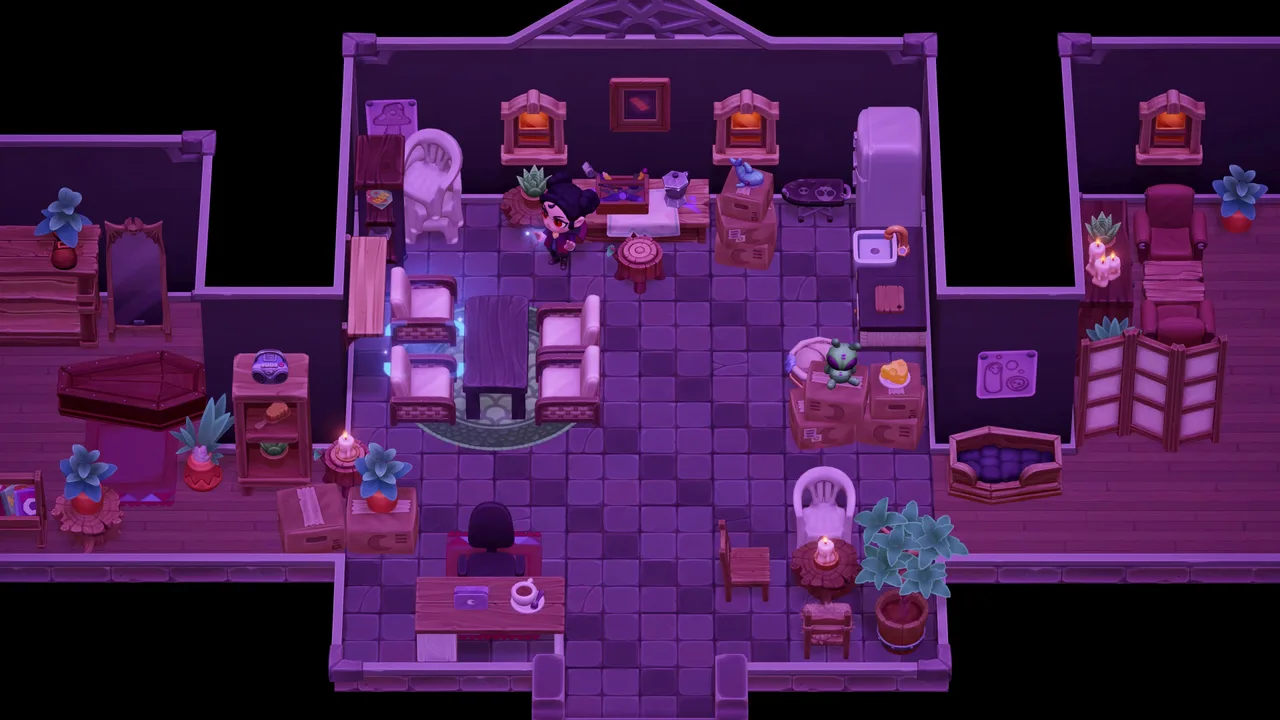
Dieses Gitter ist das gleiche, auf dem Sie dekorieren – also Dekorationsanleitung spielen Sie wirklich mit dem Künstler-Toolkit?
Eine Stadt mit der Persönlichkeit von sieben Familien aufbauen
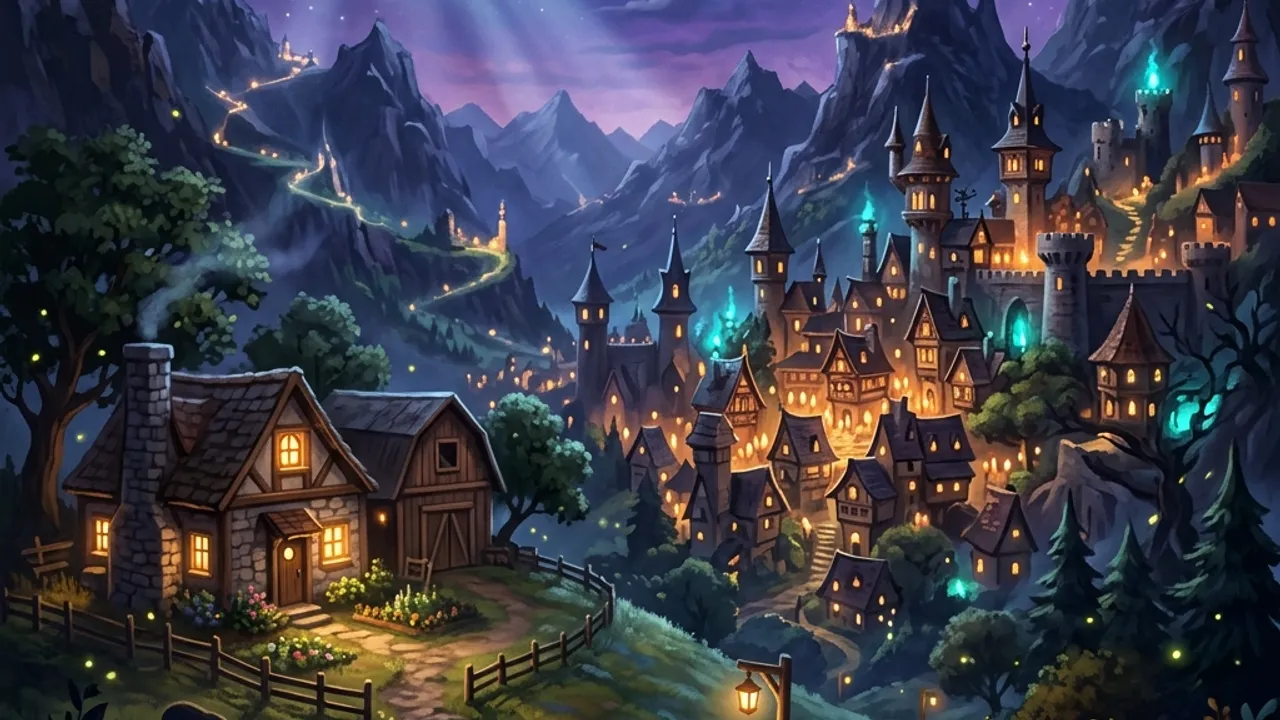
Die Stadt selbst ist darauf ausgelegt etwas sagen. Die Konzeptkünstler Wietse und Brenda haben die Architektur übernommen Gotische und europäische Stile – mit einem Augenzwinkern zu den Grachtenhäusern von Amsterdam, in der Nähe des Studios. Der clevere Teil: Jedes Gebäude ist an eines davon gebunden sieben Familien, mit eigener Farbpalette und architektonischen Details, so dass Sie die soziale Karte der Stadt schon halb lesen können, wenn Sie nur auf die Dächer schauen. (Die Schneiderei zum Beispiel gehört der Familie der Khazan-Seher und wird von Aras geführt.)
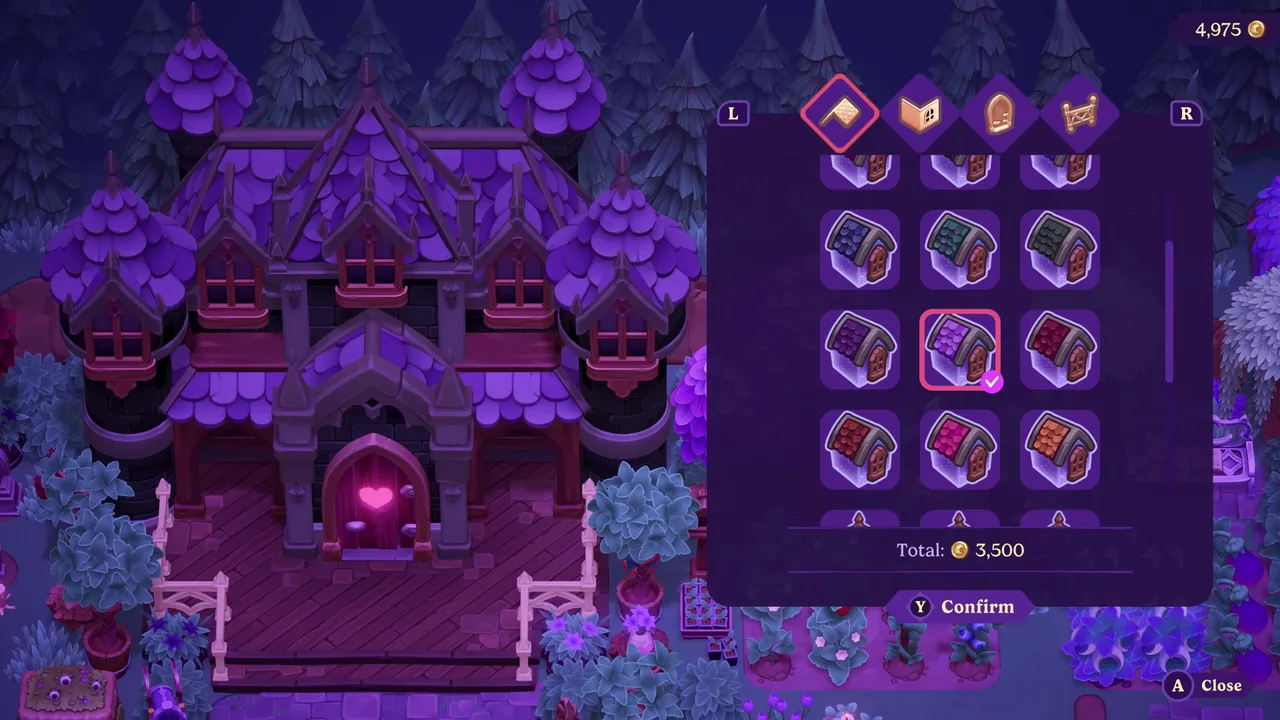
Art Director Mia – der durch Beleuchtung nach oben kam – zitiert Simon Stålenhag, Wes Andersonund Spiele wie Reise, Innen und Spiritfarer als Prüfsteine, was vieles erklärt: die sorgfältige Komposition, die selbstbewusste Farbe, die Atmosphäre, die ebenso viel Arbeit leistet wie die Mechanik.
Warum das für Spieler wichtig ist
Das Wissen um die Hintergrundgeschichte verändert die Art und Weise, wie sich das Spiel liest. Dieses Lila ist kein Filter – es ist eine Überlieferungsentscheidung. Die Chibi-Niedlichkeit ist ein Design, das die Fans begeistern wird gekämpft. Die Innenräume, mit deren Gestaltung Sie Stunden verbringen werden, wurden auf einem Raster aufgebaut, das dafür sorgen soll, dass sich Ihre eigene Dekoration gut anfühlt. Es handelt sich um ein Spiel eines kleinen Studios, das offen entwickelt und von den Leuten, die darauf warten, es zu spielen, natürlich korrigiert wird.
Möchten Sie es in Bewegung sehen? Probieren Sie es aus kostenlose Demo, treffen Sie die Stadtbewohner deren Porträts all diese Emotionen hervorrufen oder lesen alles was wir wissen.