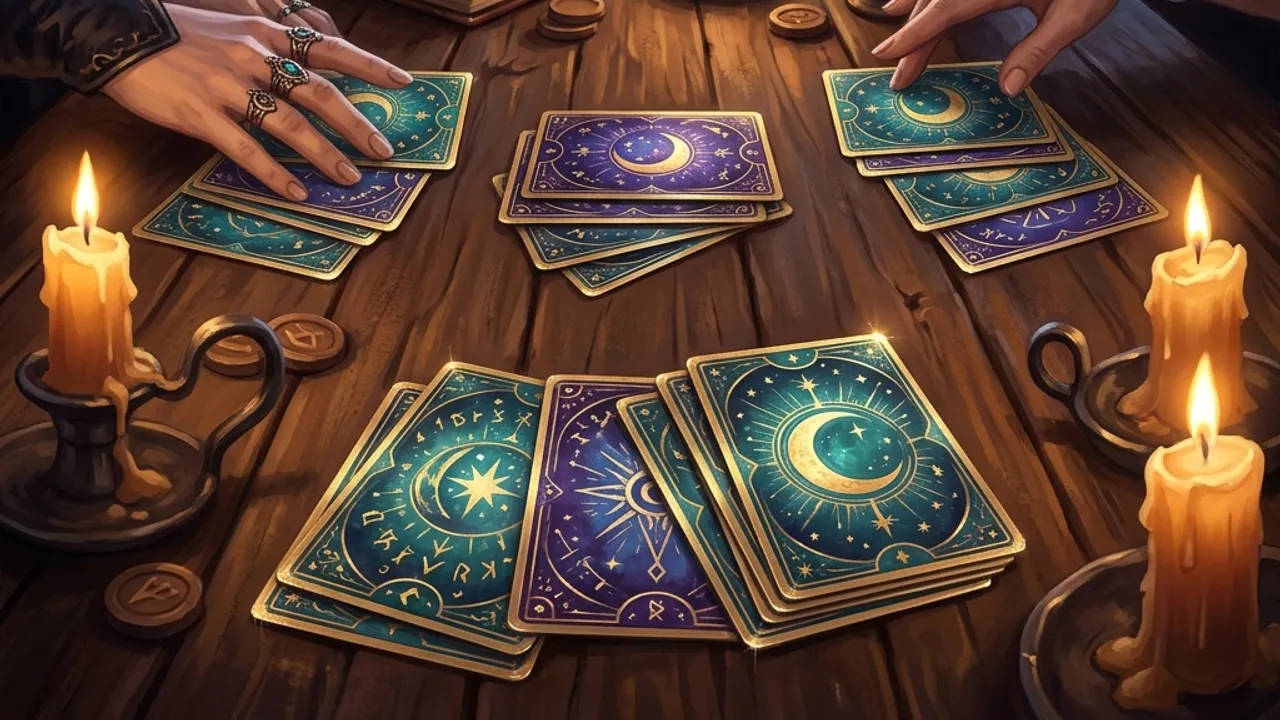
Jede gute, gemütliche Stadt hat ihre eigene Obsession, und zwar Moonlight Peaks es ist Nokturna – das beliebteste Kartenspiel der Bewohner. Betrachten Sie es als die Antwort der Stadt auf die In-World-Kartenspiele, die zu einem der beliebtesten Spiele dieses Genres geworden sind.
Was wir wissen
Nokturna ist ein bestätigtes Feature mit zwei klaren Haken: Sie Karten sammeln dafür und für Sie Spielen Sie es gegen andere Bewohner. Das fügt es nahtlos in das soziale System ein – sich zu einem Spiel zusammenzusetzen ist eine natürliche, stressfreie Möglichkeit, Zeit mit den Stadtbewohnern zu verbringen und mit der Zeit Beziehungen aufzubauen. Dahinter steckt auch ein bisschen Überlieferung: Nokturna war es in der Welt vom kämpfenden Seher erfunden Dragan, der insgeheim hofft, dass sein Kartenspiel die Welt im Sturm erobern wird – wenn Sie sich also mit ihm duellieren, spielen Sie mit dem Schöpfer, der sein eigenes Spiel spielt.
Wie ein Match tatsächlich funktioniert
Nachdem die Vollversion des Spiels erschienen ist, sind Nokturnas Regeln ordnungsgemäß bestätigt. Ein Match ist ein Duell über drei Runden – beschriftet I, II und III – wo Sie spielen 3 Karten pro Runde. Sie gewinnen das Match, indem Sie nehmen mindestens 2 der 3 Runden; Eine unentschiedene Runde wird als Sieg gewertet beide Spieler, was den Schwung jeder einzelnen Schlussrunde abschwächt.
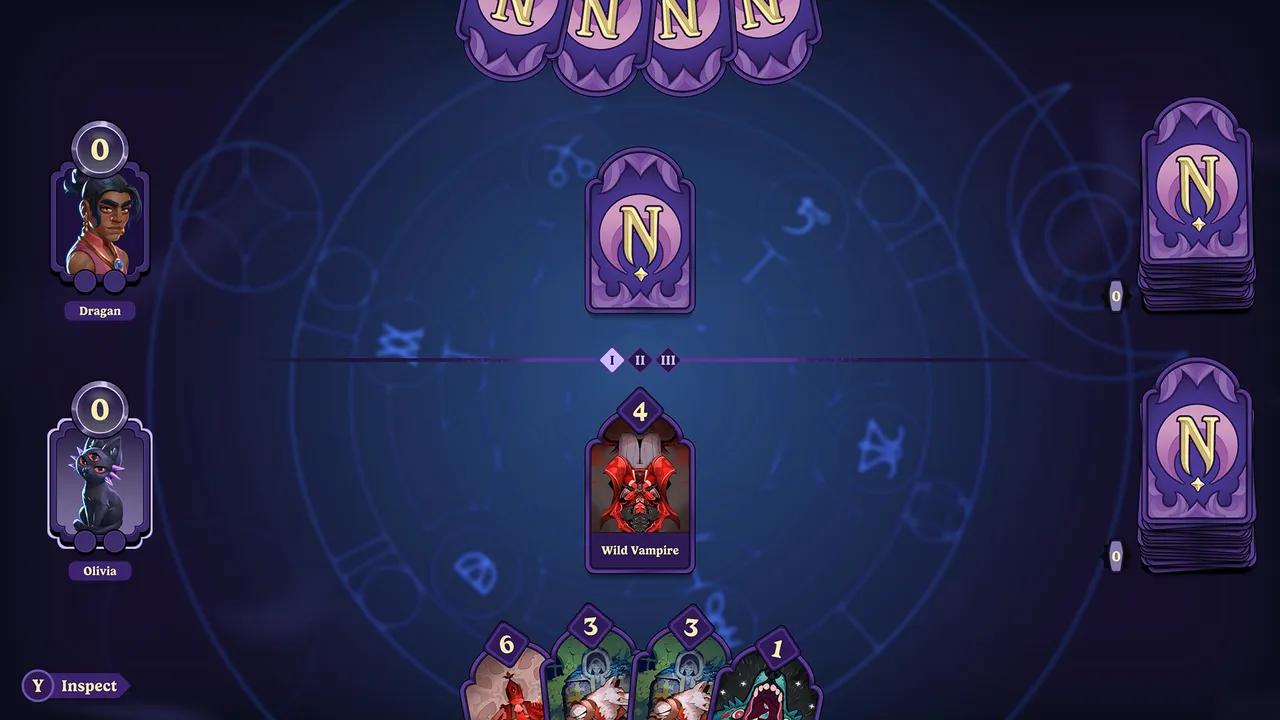
Karten tragen a Punktwert plus Effekte und Schlüsselwörter – das bestätigte Beispiel ist „Beharren“, wodurch eine Karte über die folgenden Runden hinweg im Spiel bleibt, anstatt sie nach einmaligem Gebrauch abzulegen. Das können Sie auch Inspizieren Sie eine Karte im Detail Bevor Sie sich verpflichten, haben Sie also Raum für den tatsächlichen Deckaufbau und die Entscheidungsfindung im Spiel, anstatt blind zu spielen.
Du duellierst dich Stadtbewohner – Zu den bestätigten Gegnern gehören Dragan und Olivia – das ist genau der Punkt, an dem das Kartenspiel wieder in die soziale Seite unten übergeht.
Der Kartenpool und die Deck-Archetypen
Bewertungen nach der Veröffentlichung bestätigen dies über 67 Karten existieren, übersichtlich organisiert Synergie-Archetypen: a Werwolf-Deck, a Vampirdeck, a Pflanzendeck, an Wasserdeckund gemischte Decks, die Typen mischen. Die Archetypen belohnen das Bauen rund um ein Thema, anstatt nur die höchsten Zahlen auszuwählen – die bestätigte Beispielkarte „Alpha Wolf“ ruft ab +2 für jede andere Werwolfkarte, die du im Spiel hast, also lässt ein Werwolf-lastiges Deck diese eine Karte viel stärker schwingen, als es auf dem Papier aussieht. Erwarten Sie ähnliche Auszahlungskarten für die Vampir-, Pflanzen- und Wasserdecks, obwohl die vollständige Liste noch nirgendwo veröffentlicht wurde.
Das Plant-Deck-Glücksspiel (und wie man es bestraft)
Ein 60-stündiges Durchspielen hat das klarste Risiko-Ertrags-Verhältnis des Spiels herauskristallisiert, und es ist auf beiden Seiten des Tisches wissenswert. Die meisten Karten sind werden nach der gespielten Runde abgelegt, aber Pflanzenkarten bleiben für das gesamte Spiel im Spiel. Sie sind normalerweise einzeln nur wenige Punkte wert, aber weil sie Runde für Runde stapeln, ein Pflanzendeck kann in Runde zwei oder drei einen souveränen Vorsprung erringen. Der Haken: Es ist ein riskant Strategie, weil einige Karten töte alle Pflanzen deines Gegners auf einmal – und, noch brutaler, einige Karten Erhalte Punkte für jede Karte, die getötet wurde. So kann ein Plant-Spieler, der sich zu sehr engagiert, in einer einzigen Runde durch einen gut getimten Board-Wipe aus dem Spiel genommen werden auch zahlt den Wischer. Lesen Sie das Deck Ihres Gegners, bevor Sie All-In auf Pflanzen setzen, und halten Sie eine Entfernungskarte bereit, wenn Sie vermuten, dass dies der Fall sein wird.
Ein Sammlerstück mit sozialem Nutzen
Das Schlaue an einem Kartenspiel in einer Lebenssimulation ist, dass es eine doppelte Aufgabe erfüllt. Die Sammeln lindert den Vervollständigungs-Juckreiz – es gibt ein Deck zu bauen, vermutlich seltene Dinge zu jagen – während die spielt ist in Wirklichkeit ein getarnter Beziehungsmechanismus. Einen Bewohner zu einer Runde herauszufordern, ist nur ein weiterer Grund, an seine Tür zu klopfen, und in diesem Genre ist die gemeinsame Zeit das, was Freundschaften und Romanzen vorantreibt. Nokturna ist also keine Ablenkung vom Gesellschaftsspiel; es ist Teil davon.
Das ist auch der Grund, warum es die Denkweise eines Sammlers belohnt: Je mehr Karten und Selbstvertrauen man früh aufbaut, desto mehr kann man sich auf „Lust auf ein Spiel?“ verlassen. als einfache und wiederholbare Möglichkeit, einen Abend mit jemandem zu verbringen, dem Sie näherkommen möchten.
Warum es sich lohnt, früh zu lernen
Da es gleichzeitig eine Bindungsaktivität darstellt, bedeutet das frühzeitige Erlernen von Nokturna, dass Sie immer bereit sind, wenn jemand mitspielen möchte – eine schmerzlose Möglichkeit, Ihr Ansehen in der ganzen Stadt zu verbessern. Es passt gut zu den sozialen Gewohnheiten in unserem Land Tipps für Anfänger und speist in die weitere Welt ein Romantik System.
Die vollständige Kartenliste
Wir wissen jetzt bestätigte Form – Best-of-Three-Runden, 3 Karten pro Runde, 67+ Karten in fünf Archetypen, Schlüsselwörter wie Persist und benannte Gegner wie Dragan und Olivia. Wird noch von Spielern dokumentiert: die vollständige Kartenliste, genau Regeln und Größenbeschränkungen für den Deckbauund ob es eine Wettbewerbsleiter gibt, die über das Duell mit Bewohnern nacheinander hinausgeht. Für den Moment: Nokturna ist real, es hat echte Regeln, es ist sozial und es ist die Art von Nebensystem, das Ihre Abende auf die beste Art und Weise stillt.