Der halbe Reiz einer gemütlichen Simulation besteht darin, ein trauriges, vernachlässigtes Haus in etwas zu verwandeln Ihre trauriges, vernachlässigtes Haus – liebevoll, mit Absicht. Moonlight Peaks übergibt Ihnen ein heruntergekommenes, geerbtes Cottage und umfangreiche Werkzeuge, um es innen und außen gotisch und wunderschön zu gestalten. Hier erfahren Sie, wie das Dekorieren funktioniert, was Sie ändern können und welche kleinen Macken Ihnen einiges an Fummelei ersparen.
Alles, was weiterhin nur aus den Demo- oder Vorschau-Builds stammt, ist markiert ⚠️ Demo-Version bis wir es im Start-Build bestätigen.
In der Hütte
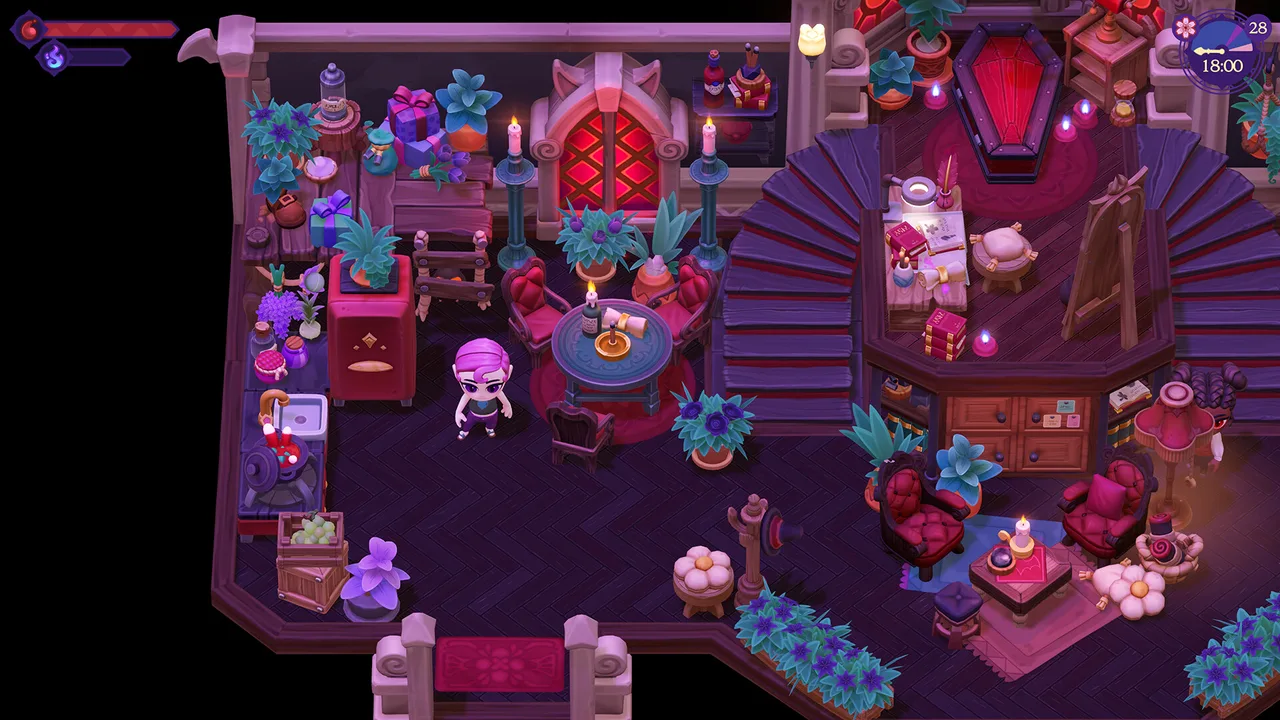
Ihr Zuhause darf umgestaltet werden. Am Basteltisch In Ihrem Haus bauen Sie Dekorationen aus Materialien und können den Ort selbst umgestalten, nicht nur verschönern. Bestätigte Innenausstattung:
- Möbel – stellen Sie es her oder kaufen Sie es und platzieren Sie es dann frei auf dem Gitter.
- Tapeten und Bodenbeläge – Wände und Boden neu verkleiden.
- Türen und Fenster – Tauschen Sie die Armaturen aus.
- Erweiterung des Hauses – Fügen Sie so viel Platz und Räume hinzu, wie Sie es sich leisten können, damit Ihre Ambitionen nicht durch die Grundfläche des Starters eingeschränkt werden.
Die Ästhetik ist eher gemütlich-gotisch – Särge, Kerzen, tiefes Lila und satte Hölzer – aber mit genügend Abwechslung, um einem Raum eher ein persönliches als ein vorgegebenes Gefühl zu verleihen. Du fängst an ein kleines Steinhaus mit dem Nötigsten ausgestattet – a Holzsarg (Ihr Bett), a Kochstation und a Workbench – plus etwas Unordnung (Müll, Laubhaufen, Steine), die Sie beseitigen müssen, bevor Sie den Ort zu Ihrem eigenen machen.
Upgrade Ihres Hauses
Das Starter-Cottage ist nicht die Decke. ⚠️ Per Community-Datamining kann das Haus sein viermal aktualisiert, jede Erweiterung fügt neuen Platz hinzu. Der erste ist questgebunden: abgeschlossen „Das Dach reparieren“ für Ridge um Renovierungen freizuschalten. Danach kaufen Sie Upgrades beim Stadtschreiner – dem Heulender Hammer – Einzahlung Münzen und Holz, mit jedes Upgrade dauert eine Nacht im Spiel zum Abschluss. Die Schleife lautet also: verdienen (siehe Geldratgeber), Lagerholz am Refiner, einen Flügel in Betrieb nehmen, schlafen, aufwachen und mehr Platz haben.
Sobald das Haus vollständig modernisiert ist, stehen Berichten zufolge sofort die Anpassungsoptionen zur Verfügung Holz-, Ziegel- und Steinwandstile in Farben wie Schwarz, Lila, Rosa und Braun; Über 20 Dachoptionen (einschließlich Vampir-Themen- und Moosvarianten); 13 Türdesigns; und Zäune in verschiedenen Farben sowie Briefkasten- und Veranda-Akzente. ⚠️ Die Zählungen stammen aus dem Demo-Version und können sich je nach Veröffentlichung ändern.
Draußen auf dem Gehöft
Dekorieren hört nicht an der Haustür auf. Auch das Gelände ist eine von oben nach unten gerichtete Leinwand, und hier entsteht das Gefühl, auf einem Bauernhof zu sein Zuhause:
- Pfade – Gehwege wie die anlegen Gotischer Steinpfad um die Abläufe in Ihrem Betrieb zu gestalten.
- Zäune, Sträucher und Blumen – Rahmenbetten und Ränder.
- Lichterketten – Lichterketten (in langen oder kurzen Abständen platziert) für Atmosphäre.
- Größere Strukturen – Gewächshäuser, Scheunen und Mühlen passen in Ihr Layout.
- Saisonales Dekor – Themenstücke für die Jahreszeit.
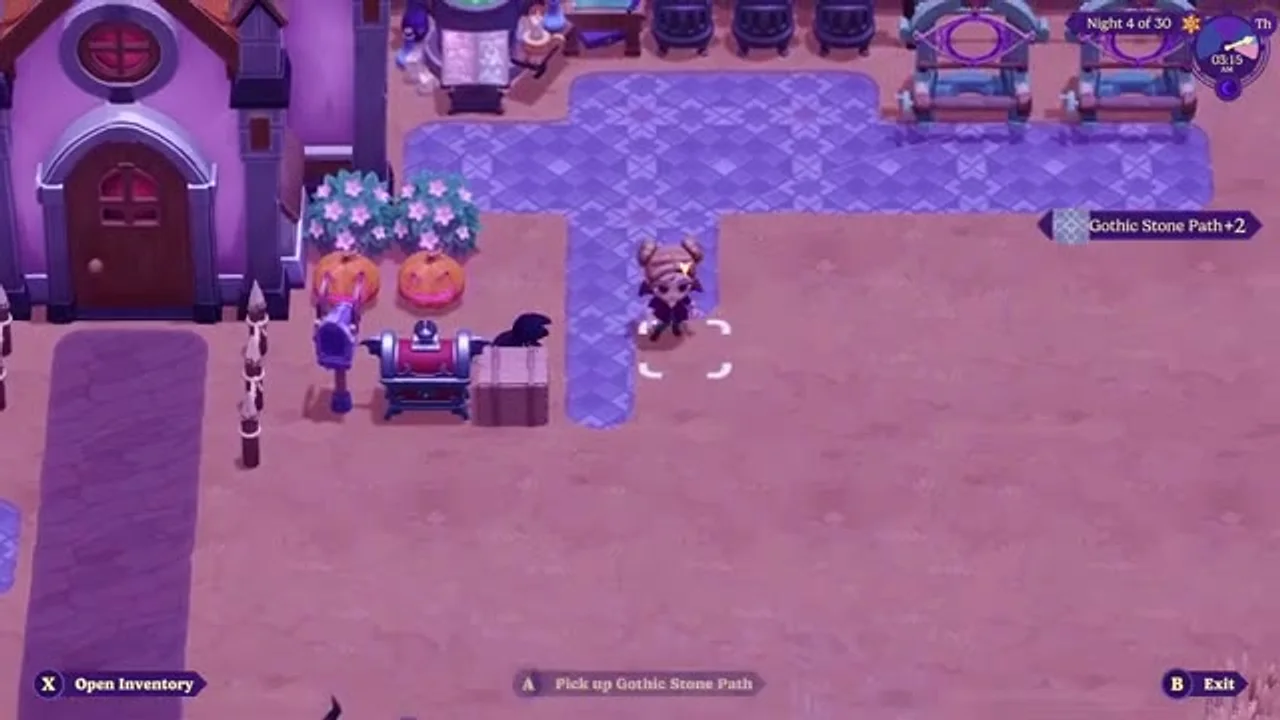
Da Sie nachts Landwirtschaft betreiben, leistet die Beleuchtung hier echte Arbeit – Lichterketten und Lampen sind nicht nur hübsch, sie machen Ihr mondbeschienenes Gehöft auch lesbar und einladend.
Wie die Platzierung funktioniert (und ihre Besonderheiten)
Das System ist top-down und kachelbasiert, ähnlich wie der Happy Home Paradise-Modus in Animal Crossing: Neue Horizonte – Sie erhalten eine saubere Draufsicht, um Dinge in einem Raster anzuordnen. Ein paar wichtige Grenzen, die beim Design berücksichtigt werden sollten:
- Die Drehung beträgt nur 90°. Sie können Gegenstände in Vierteldrehungen drehen (mit den Drehknöpfen), aber das gibt es kein freies Angeln und kein Halbkachel-Nudging, daher sind diagonale, organische Layouts nicht wirklich möglich. Planen Sie mit dem Raster, nicht dagegen.
- Große Gebäude können nicht gedreht werden. Große Bauwerke wie Scheunen werden in einer festen Ausrichtung errichtet – berücksichtigen Sie diese bei der Platzierung, bevor Sie sie umbauen.
- Sie können stapeln und schichten kleinere Gegenstände auf Oberflächen, was Ihnen hilft, Regale und Tische zu gestalten, anstatt Dinge einfach auf dem Boden zu verstreuen.
- Pfade haben eine anpassbare Pinselgröße. Beim Verlegen von Pfaden können Sie den Pinsel vergrößern, um große Flächen schnell zu füllen, anstatt Kachel für Kachel zu platzieren – eine kleine, aber echte Zeitersparnis bei großen Projekten.
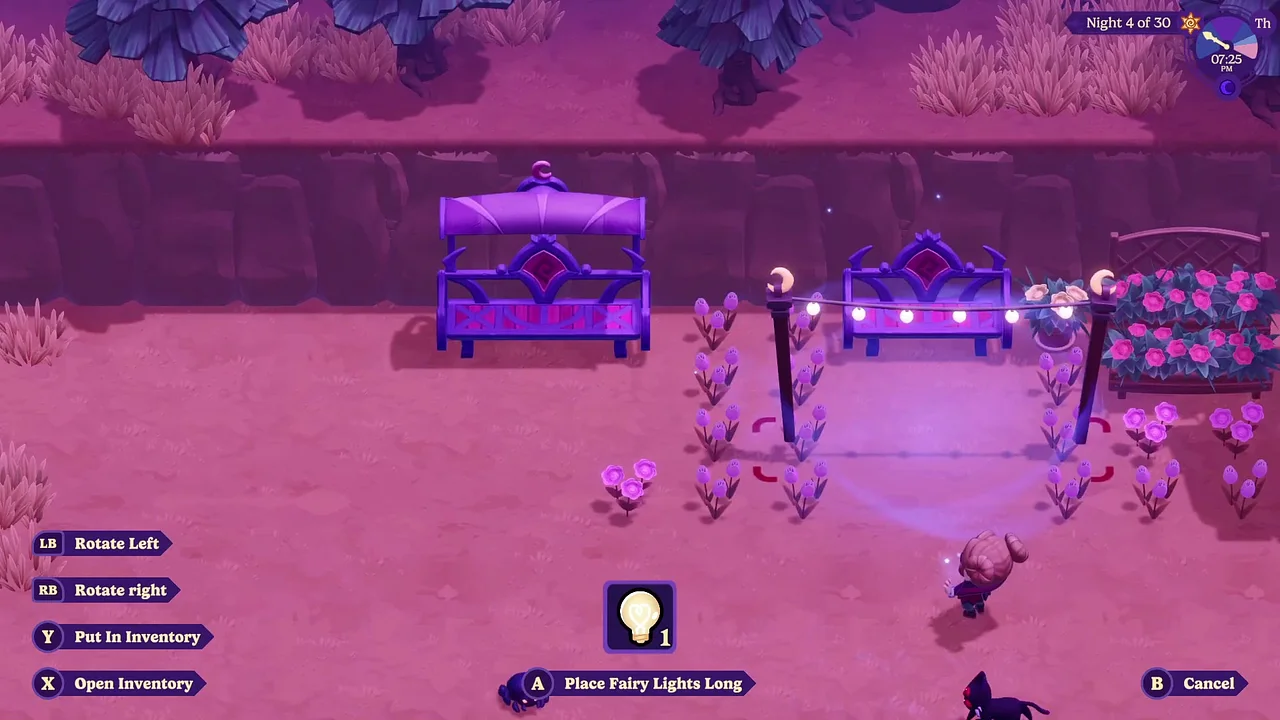
Es lohnt sich, die Grenzen im Voraus zu kennen: Die 90°-Beschränkung ist das Hauptproblem, auf das die Spieler stoßen. Wenn Sie also von einem Spiel mit freier Platzierung kommen, kalibrieren Sie Ihre Erwartungen in Richtung ordentlicher, rasterausgerichteter Designs – die ehrlich zum netten Chibi-Look des Spiels passen.
Wo das Dekor herkommt
Zwei Pipelines versorgen Ihre Dekorationsgewohnheiten:
- Handwerk – Bauen Sie aus gesammelten Materialien Teile an Ihrem heimischen Basteltisch. Praktisch, das Spiel holt Zutaten direkt aus Ihrem Vorrat zu Hause beim Basteln, sodass Sie keine Bastelmatten mit sich herumtragen müssen; Bank sie und baue frei. (Das ist auch der Grund, warum Sie Behalten Sie Ihre Materialien, anstatt sie zu verkaufen.)
- Geschäfte – kaufen Blaupausen und fertige Dekoration aus den Geschäften der Stadt. Neue Blaupausen sind ein wichtiger Grund, einige Münzen in Reserve zu halten.
Beide Routen – Basteln und Kaufen – sind von zentraler Bedeutung dafür, wie Sie Ihre Sammlung erweitern.
Der einzige Speicher, den Sie kennen sollten
Hier ist ein echtes Ärgernis nach einem 60-stündigen Durchspielen zum Start, und es ist das Gegenteil der oben genannten Herstellungsfreundlichkeit: Sie können nicht auf Ihren Heimspeicher zugreifen, während Sie sich im Dekorations-/Platzierungsmodus befinden. Herstellung und Kochen werden automatisch aus dem Lager genommen, aber Platzierung Möbel ziehen nur von dem, was ist in Ihrer Tasche – wenn Sie also mit vielen Teilen umdekorieren, füllt sich Ihr Inventar schnell und Sie werden es auch tun mehrmals zum Haus zurückwandern um mehr zu bekommen. Bis es gepatcht ist, besteht die Problemumgehung darin Beladen Sie Ihre Tasche mit allem, was Sie unterbringen möchten, bevor Sie mit dem Dekorationsmodus beginnen, anstatt mit leeren Händen zu beginnen und hin und her zu pendeln.
Gewächshäuser, Jahreszeiten und größere Projekte
Das Dekorieren verschwimmt in landwirtschaftlichen Gebäuden, und das macht einen Teil des Spaßes aus. A Gewächshaus ermöglicht den Anbau von Feldfrüchten unabhängig von der Jahreszeit, sodass es sich sowohl um eine praktische als auch dekorative Struktur handelt – ein Herzstück, das seinen Platz verdient. Scheunen, Mühlen und ein Brunnen Fügen Sie sich ebenfalls in den Grundriss Ihres Gehöfts ein und verwandeln Sie ein kahles Grundstück im Laufe der Zeit in ein bewirtschaftetes, bewohntes Gehöft.
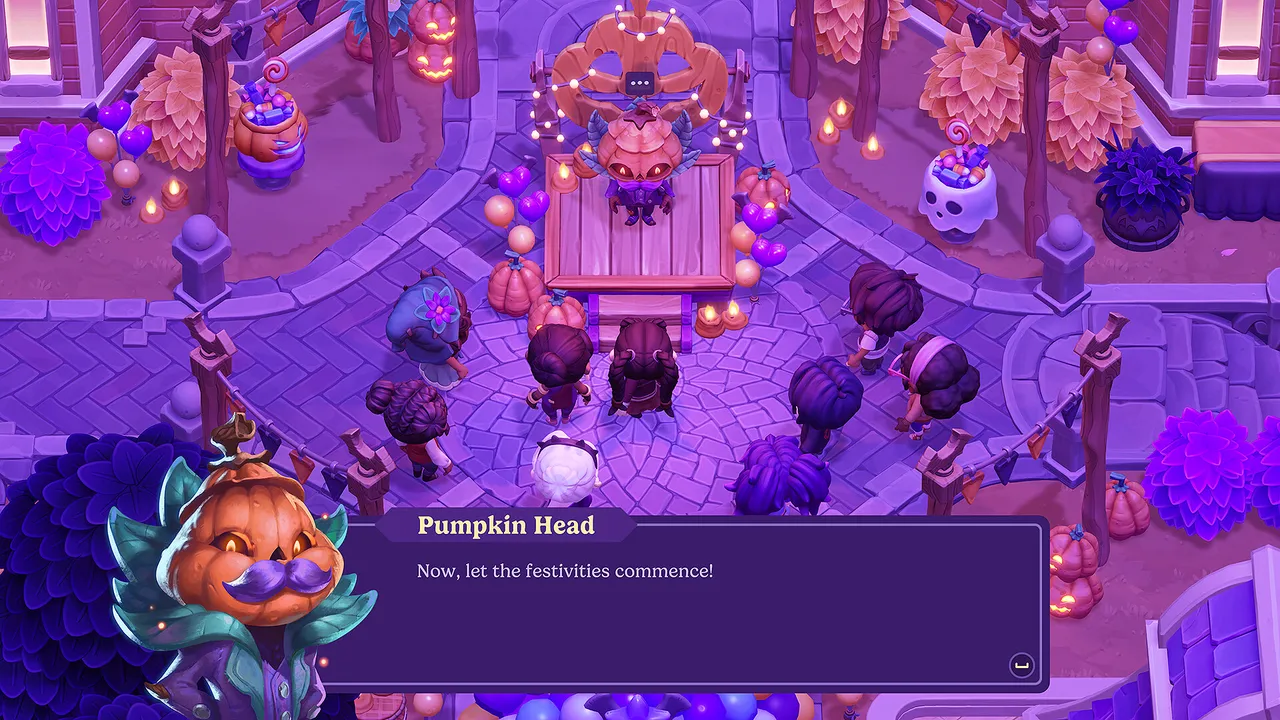
Weil Moonlight Peaks durchläuft vier Staffeln, erwarten Saison- und Feiertagsdekoration zum Rotieren – thematische Teile, mit denen Sie den Ort im Laufe des Jahres im Spiel neu gestalten können. Es ist die Art von geschäftiger Arbeit mit geringem Einsatz und hoher Belohnung, auf der diese Spiele basieren: ein frischer Anstrich mit saisonalem Stil, wann immer Sie Lust auf Abwechslung haben.
Denken Sie an die Dekoration in zwei Horizonten. Im kurzfristig, Sie machen Ihr Starter-Cottage bewohnbar – ein Bett, eine Bastelstation, einen Ort, an dem Sie Ihre Sachen unterbringen können. Im langfristig, sobald Einkommen und Materialien fließen, gestalten Sie das gesamte Gehöft: Wege, die sich zwischen Gewächshaus und Scheune schlängeln, beleuchtete Rabatten, ein Cottage, das Raum für Raum erweitert wird. Die Demo gibt nur einen Vorgeschmack darauf, wie weit das geht, aber die Systeme deuten eindeutig auf eine ehrgeizige Sandbox zur Dekoration des Spätspiels hin.
Umordnen ohne den Aufwand
Eine nette Überschneidung mit dem Magiesystem: Einige Zaubersprüche erlauben es dir Objekte und sogar Bäume bewegen, die Umgestaltung Ihres Landes bedeutet also nicht immer, dass es abgerissen und neu aufgebaut werden muss. Platzierte Gegenstände schweben auch mit einem kleinen magischen Schwung in Position, anstatt zu klappern. Das ist nur eine Kleinigkeit, aber es bedeutet, dass es günstig ist, ein Layout noch einmal zu überdenken – verschieben Sie es, platzieren Sie es neu und versuchen Sie es erneut, bis es sich richtig anfühlt. Wie diese Magie funktioniert, erfahren Sie im Zauber und Mana Anleitung.
Ein paar Dekorationstipps
- Beleuchten Sie Ihre Nachtfarm. Lichterketten und Lampen zahlen sich hier mehr aus als in einer Tagessimulation – Sie arbeiten im Dunkeln, sodass die Atmosphäre gleichzeitig als Sichtbarkeit dient.
- Platzieren Sie zuerst große Gebäude. Da sich Scheunen und ähnliches nicht drehen lassen, stellen Sie sie ab, bevor Sie Wege und Beete um sie herum entwerfen.
- Lehnen Sie sich in das Gitter. Mit nur einer 90°-Drehung sehen symmetrische, aufgeräumte Layouts am besten aus – Ränder, Reihen und gerahmte Beete statt Diagonalen.
- Bewahren Sie es auf, wenn Sie bündig sind. Dekorieren ist eine wunderbare Geldverschwendung; Holen Sie sich Ihr Werkzeuge und Einkommen zuerst sortiert, dann Münzen ohne Schuldgefühle in die Hütte schütten. Es handelt sich um ein System, das eine besiedelte Farm mitten im Spiel belohnt.
Dekorieren ist eines der Systeme, mit denen Sie am wahrscheinlichsten noch lange weiterspielen, nachdem die Story langsamer geworden ist. Für das breitere frühe Spiel siehe die Komplettlösung für die erste Woche und Einsteigerhandbuch; um all diese Blaupausen zu finanzieren, die Geldratgeber ist die Ertragsseite abgedeckt.