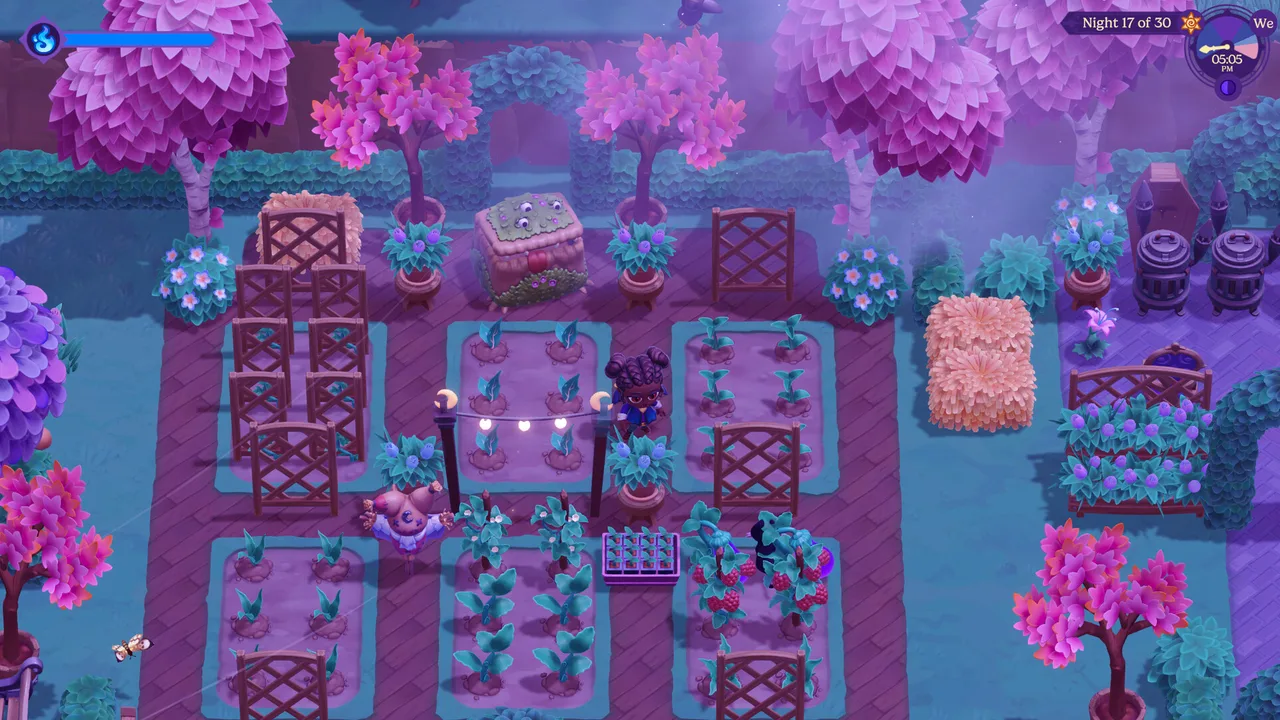
Jede Landwirtschaftssimulation wird irgendwann zu einer Tabellenkalkulation, die eine Strickjacke trägt, und Moonlight Peaks ist keine Ausnahme – unter dem gemütlichen Gothic-Anstrich betreiben Sie nachts ein kleines Unternehmen. Die gute Nachricht: Der Geldkreislauf ist freundlich. Das Verwirrende und die Frage, die neue Spieler am häufigsten stellen, ist die gleiche, die jede Lebenssimulation am ersten Tag aufwirft – Was verkaufe ich und was muss ich unbedingt behalten? Dieser Leitfaden beantwortet beides und gibt außerdem Auskunft darüber, wo Ihre ersten Münzen hingehen sollten.
Eine kurze Anmerkung zur Ehrlichkeit: Dieser Leitfaden begann mit Vorschaumaterial. In den nachstehenden Abbildungen werden nun, sofern verfügbar, Community-Tabellen nach der Veröffentlichung verwendet. Wenn wiki.gg mehrere Zahlen auflistet, ohne die Stufen zu erklären, zeigen wir die Werte, leiten jedoch nicht ab, was sie trennt.
Wie Sie tatsächlich Geld verdienen
In der Stadt gibt es keine Registrierkasse. Stattdessen verkaufen Sie durch Chester – eine Kreatur, die als Ihr Versandkarton fungiert. Waren einwerfen, Münzen holen. Er ist, durch allgemeine Spielervereinbarung, extrem begeistert von jedem Verkauf; Du wirst lernen, den Lärm zu lieben. Währung ist einfach Münzen, und eine produktive Nacht in der Demo kann einige Tausend davon beseitigen.
Fast alles, was Sie produzieren, hat einen Verkaufswert:
- Pflanzen – Ihr Brot und Ihre Butter (naja, Ihre Bluttrauben und grausamen Gurken).
- Gesammelte Gegenstände und Fische – günstig zu verdienen, stabiles Einkommen.
- Lebewesen – die Käfer und Kreaturen, die Sie beim Erkunden entdecken.
- Verarbeitete Waren – der große Multiplikator (siehe unten).
Die Sache, die es zu verinnerlichen gilt: Rohstoffe sind das Etage Ihres Einkommens, nicht die Obergrenze. Das wahre Geld liegt darin, was man ihnen antut, bevor Chester sie sieht.
Prozess vor dem Verkauf
Dies ist die wichtigste Geldgewohnheit. Moonlight Peaks ist, in den Worten eines Spielers, der sechs Stunden geloggt hat, „eine Landwirtschaftssimulation, in der man viel verarbeiten muss.“ Sie bauen schon früh Maschinen – a Verarbeiter, ein Ofen, ein Fassund ähnliches – und füttere sie mit Rohwaren, um etwas zu bekommen, das viel mehr wert ist. (Jede Maschine, mit Demo-Rezepten, lebt in unserem Farm Helpers-Leitfaden.)
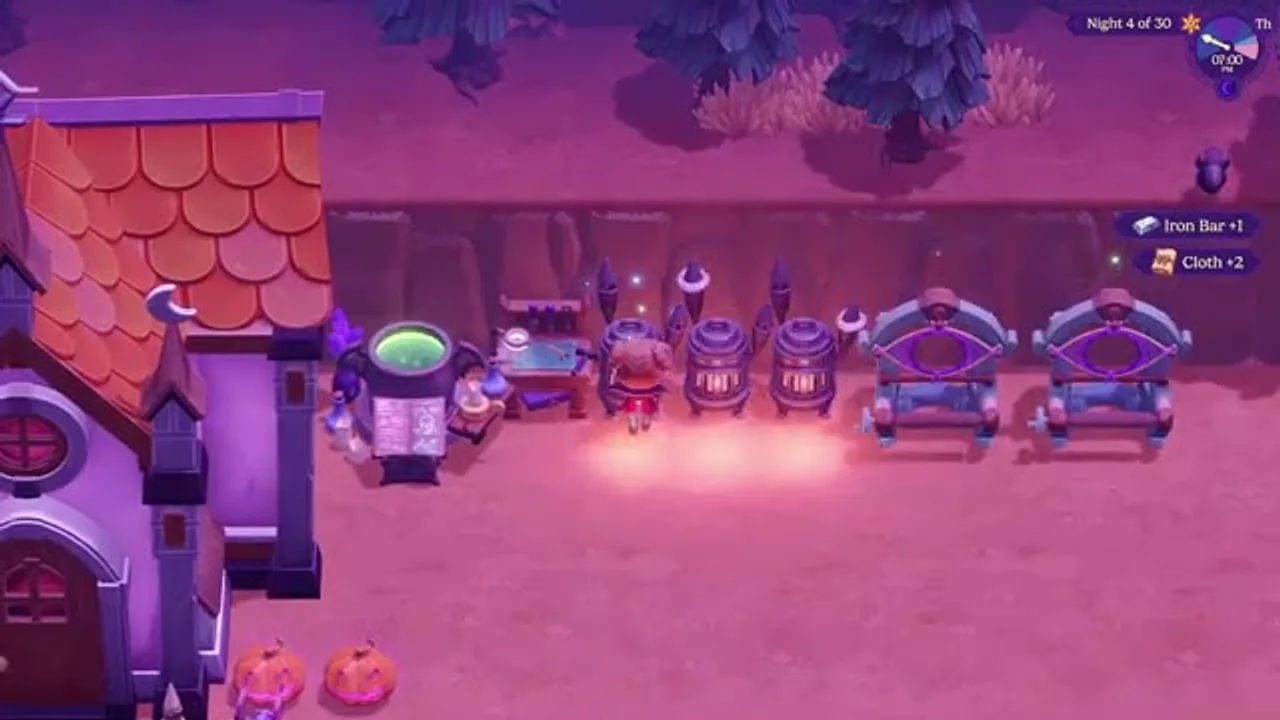
Ein paar Rohstoffe werden zu einem weitaus wertvolleren Gegenstand: Trauben werden Wein, Erz wird Eisenstangen, Faser wird Stoff. Du wirst diese Maschinen sowieso für Quests bauen, also setze sie auch für deinen Überschuss ein. Das Muster zum Lernen: Verkaufen Sie keinen Rohstoff, wenn eine Maschine ihn zuerst in etwas Besseres verwandeln kann. Das Warten lohnt sich normalerweise.
Das Prinzip ist immer noch in das Design integriert, und mehrere nützliche Werte sind jetzt dokumentiert: Ein Fass verwandelt 3 Bluttrauben in Bluttraubensaft, berichtet an 100 / 120 Münzen und 3 Mondfrüchte in Mondsaft um 320. Siehe die Farm Helpers-Leitfaden für die Eingänge und die wiederhergestellte Energie. Diese Zahlen machen die Verarbeitung zu einer bewussten Entscheidung und nicht zu einem vagen Versprechen von „mehr“.
Was Sie verkaufen und was Sie behalten sollten
Hier ist die Verwirrung, die die Frage wirklich verbirgt: es fühlt sich an als ob Sie alles verkaufen sollten, um Upgrades zu finanzieren, aber wenn Sie das Falsche verkaufen, müssen Sie es später zurückkaufen. Nutzen Sie diese Aufteilung.
Aufbewahren (im Heimspeicher aufbewahren):
- Handwerksmaterialien – Holz, Stein, Erz, Fasern. Entscheidend ist das Spiel Zieht beim Basteln Zutaten direkt aus Ihrem Vorrat zu Hause, also sind die gelagerten Materialien kein Eigengewicht, sondern Munition.
- Koch- und Zaubertrankzutaten – Sie benötigen eine Speisekammer, sobald Rezepte verfügbar sind. Gerade das Brauen frisst ungewöhnliche Zutaten.
- Alles, was eine aktuelle Quest braucht – Überprüfen Sie Ihr Questprotokoll, bevor Sie Massenverkäufe tätigen.
- Einmalige und ungewöhnliche Artikel – wenn Sie nur eines gesehen haben, verkaufen Sie es nicht aus einer Ahnung heraus.
Verkaufen (in Münzen umwandeln):
- Überschüssige Ernte über das hinaus, was Sie zum Kochen, für Geschenke und Quests benötigen.
- Häufige, doppelte Drops in dem du schwimmst.
- Verarbeitete Waren speziell für den Verkauf hergestellt (Wein, den Sie nicht verschenken, Ersatztuch).
Wenn Sie wirklich unsicher sind, lagern Sie es, verkaufen Sie es nicht. Speicherung ist günstig; Bedauern ist teuer. Es gibt ein praktisches Schaltfläche zum Sortieren um Ordnung in der Box zu halten, und Sie können Gegenstände von Anfang an aus Ihren Taschen in den Aufbewahrungsort zu Hause verschieben, um Platz im Inventar freizugeben.
Wo Sie Ihre ersten Münzen ausgeben können
Münzen verbrennen schnell ein Loch – es gibt viel zu kaufen. Grobe Prioritätsreihenfolge für eine neue Farm:
- Tool-Upgrades. Ihre Starthilfen sind schwach und Ihre Ausdauer lässt schnell nach; Bessere Werkzeuge leisten mehr pro Schwung und sparen Energie. Das verschlimmert sich jede einzelne Nacht.
- Ein Brunnen – Dadurch ist das Nachfüllen Ihrer Gießkanne weitaus weniger mühsam, was gleich zu Beginn pure Lebensqualität bedeutet.
- Samen, in Mengen, die Sie tatsächlich gießen können. Kaufen Sie bei Yabbis die magische Kröte, der Saatguthändler, an dessen Stand die Preise deutlich aufgeführt sind.
- Produktionsgebäude – ein Hühnerstall, eine Scheune – sobald Sie sich die Tiere leisten können, um sie zu füllen, da Viehhaltung ein stetiges, wiederkehrendes Einkommen darstellt.
- Zauber, wie Sie sie sich leisten können – einige davon sind eine echte Zeitersparnis auf dem Bauernhof.
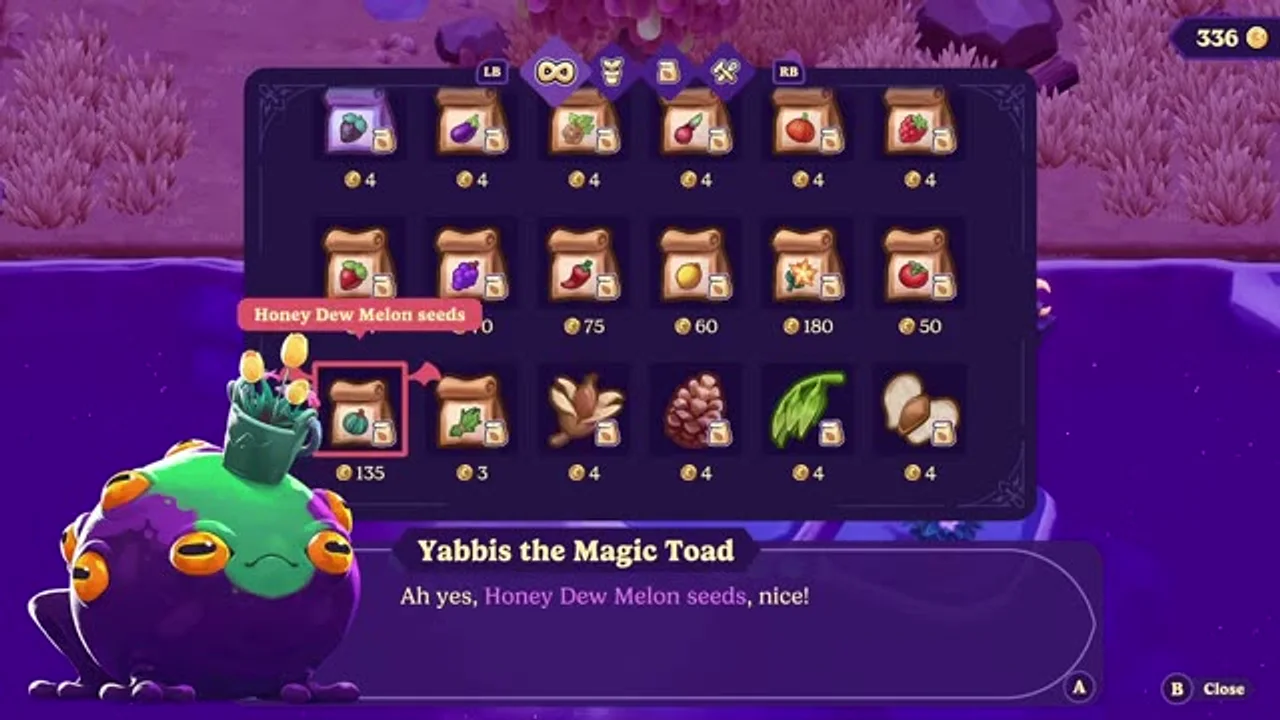
Die Saatgutpreise verleihen diesem Ratschlag jetzt Zähne. Zwiebel ist ein 10-Münzen-Samen mit einer 4-tägigen Ernte; Bluttrauben Kosten 20 und Rückgabe von 3 Produkten nach 5 Tagen, dann alle 4; Mondfrucht kostet 100 und gibt nach 6 Tagen 3 zurück. Das stellt keine endgültige beste Ernte dar, da die verfügbaren Verkaufswertstufen nicht vollständig gekennzeichnet sind, aber es macht Zwiebeln und Bluttrauben zu vernünftigen, risikoarmen Starts. Die Fruchtliste behält die vollständige Quelltabelle.
Halten Sie sich mit reiner Dekoration und Luxusmöbeln zurück, bis Ihr Einkommen stabil ist – es ist eine wunderbare Geldsenke, aber keine erste Woche eins. Wenn Sie bereit sind, das Cottage zu Ihrem eigenen zu machen, sind die Dekorationssysteme umfassend. Das ist ein anderes Kaninchenloch.
Wissenswertes über frühe Geldverdiener
- Wählen Sie eine Marktfrucht aus und verarbeiten Sie sie. Die Umwandlung von Bluttrauben in Wein ist der offensichtliche Anfangskreislauf – anbauen, gären, verkaufen. Zuverlässig und skalierbar.
- Führen Sie eine Futtersuch- und Angelschleife durch. Beide kosten wenig Energie. Wenn Sie also jeden Abend einen kurzen Sammelspaziergang einplanen, finanzieren Sie in aller Stille Upgrades, ohne Ihre Landwirtschaftszeit zu verschlingen. Werfen Sie eine Leine auf das Wasser und schnappen Sie sich alles, was auf Ihrem Weg leuchtet – Details im Angel- und Futtersuchführer.
- Verfolgen Sie die Tageslänge-Freischaltung. Eine frühe Charge des Sammlerstücks fangen Seelenblobbs (ca. 10–20) schaltet die Fähigkeit frei Ändern Sie Ihre Tageslänge – dehnen Sie es auf 25 Minuten aus und jeder Abend im Spiel bringt mehr Zeit zum Verdienen. Es handelt sich um eine der besseren frühen „Investitionen“, die nur die Erkundung kostet.
- Verlassen Sie sich auf Ihre Hellkitten-Form. Wenn man sich schneller zwischen Bauernhof, Stadt und Chester bewegt, wird pro Nacht mehr erledigt, was in diesem Genre Geld bedeutet.
Ignorieren Sie nicht das Schwarze Brett
Stadt hat eine Schwarzes Brett das Jobs und Prämien veröffentlicht – kleine Anfragen, die Sie für eine Belohnung erfüllen. Es ist leicht, daran vorbeizugehen, aber es ist eines der effizientesten Geldmittel im Spiel, da die Aufgaben normalerweise nach Dingen verlangen, die man braucht bereits produzieren oder sammeln. Machen Sie die Überprüfung zu einem Teil Ihrer Reise in die Stadt: Wenn ein Kopfgeld drei von einer Ernte will, die Sie ohnehin anbauen, ist das ein Verkauf zu einem Aufpreis ohne zusätzlichen Aufwand. Der Vorstand verfügt nun über von der Community dokumentierte Anfragen mit konkreten Fristen und Belohnungen, darunter eine 3.000-Münzen-Wolfsbann-Anfrage und eine 1.000-Münzen-Müllflaschenanfrage. Lesen Sie die Leitfaden für Jobs und Jobbörsen bevor Sie einen seltenen Gegenstand aufgeben.
Tiere sind passives Einkommen
Pflanzen erfordern jede Nacht Aufmerksamkeit; Tiere schonen Ihre Zeit. Sobald Sie es sich leisten können, einen Stall oder eine Scheune zu bauen und darin Vieh zu halten – Hühner usw Schweinziegeund das wunderbar benannte Draculambs – produziert Waren in regelmäßigen Abständen. Sammeln, optional verarbeiten (Rohware zu einem fertigen Produkt wird für mehr verkauft, gleiche Regel wie überall) und verkaufen. Der Reiz besteht darin, dass dieses Einkommen tickt, während Ihre Ernte wächst und Sie die Nächte mit der Suche verbringen, was Tiere zu einer der besseren mittelfristigen Investitionen macht, sobald Ihre Werkzeuge sortiert sind. Den kompletten Scheunenhof finden Sie unter Draculambs & Vieh.
Eine Geldroutine für eine Nacht
Sobald es Klick macht, findet ein gewinnbringender Abend seinen Rhythmus. Eine Vorlage zum Stehlen:
- Ernten und neu pflanzen Zuerst Ihr Feld – Getreide ist Ihr Grundeinkommen und Sie möchten nicht, dass es ungeerntet bleibt.
- Füttern Sie Ihre Maschinen. Lassen Sie die Rohstoffe in den Prozessor/Ofen/Fass fallen und sammeln Sie alles ein, was letzte Nacht fertig geworden ist.
- Entleeren Sie den Überschuss nach Chester – Fertigwaren, Ersatzfrüchte, häufige Duplikate.
- Versammeln Sie sich unterwegs. Suchen Sie auf dem Weg von und zur Stadt nach Futter und fischen Sie, damit sich die Reise amortisiert.
- Überprüfen Sie die Pinnwand und den Bestand von Yabbis während Sie in der Stadt sind.
- Speichern Sie Ihre Materialien in der Aufbewahrung zu Hause, bevor Sie in den Sarg klettern – bereit für den morgigen Bastel-Auto-Pull.
Ein Hinweis zur Speicherung und zum Auto-Pull-Trick
Es lohnt sich, es zu wiederholen, weil es Ihre Wertschätzung von Materialien verändert: weil Automatisches Herstellen von Zeichnungen aus dem Heimspeicher, Sie müssen keine Bastelmatten mit sich herumtragen oder sie an „Freiflächen“ verkaufen. Bankieren Sie sie. Eine gut gefüllte Aufbewahrungsbox ist eine Werkstatt, über die Sie nicht nachdenken müssen – und sie ist fast immer der Hauptgrund dafür, dass „Ihre Materialien behalten“ besser ist als „Alles verkaufen“.
Eines regelt der Startversion: dort ist a Museum in Moonlight Peaks, obwohl es ziemlich spät freigeschaltet wird – nach einem 60-stündigen Durchspielen wurde es erst gegen etwa 20 Uhr erreicht 20 Stunden in. Es kann sich also auszahlen, ein einzigartiges Lebewesen, einen Fisch oder einen Fund zu behalten, sobald es geöffnet ist. Behandeln Sie Duplikate als verkäuflich und einzigartige Fundstücke als Bewahrer.
Geld in Moonlight Peaks belohnt Geduld gegenüber dem Horten: Bevor Sie etwas verkaufen, behalten Sie Ihre Materialien, rüsten Sie zuerst Ihre Werkzeuge auf und lassen Sie im Hintergrund eine billige nächtliche Sammelschleife ablaufen. Die größere Öffnung finden Sie in unserem Komplettlösung für die erste Woche und Einsteigerhandbuch; für die Pflanzen, die all dies ernähren, die Landwirtschaftsführer.