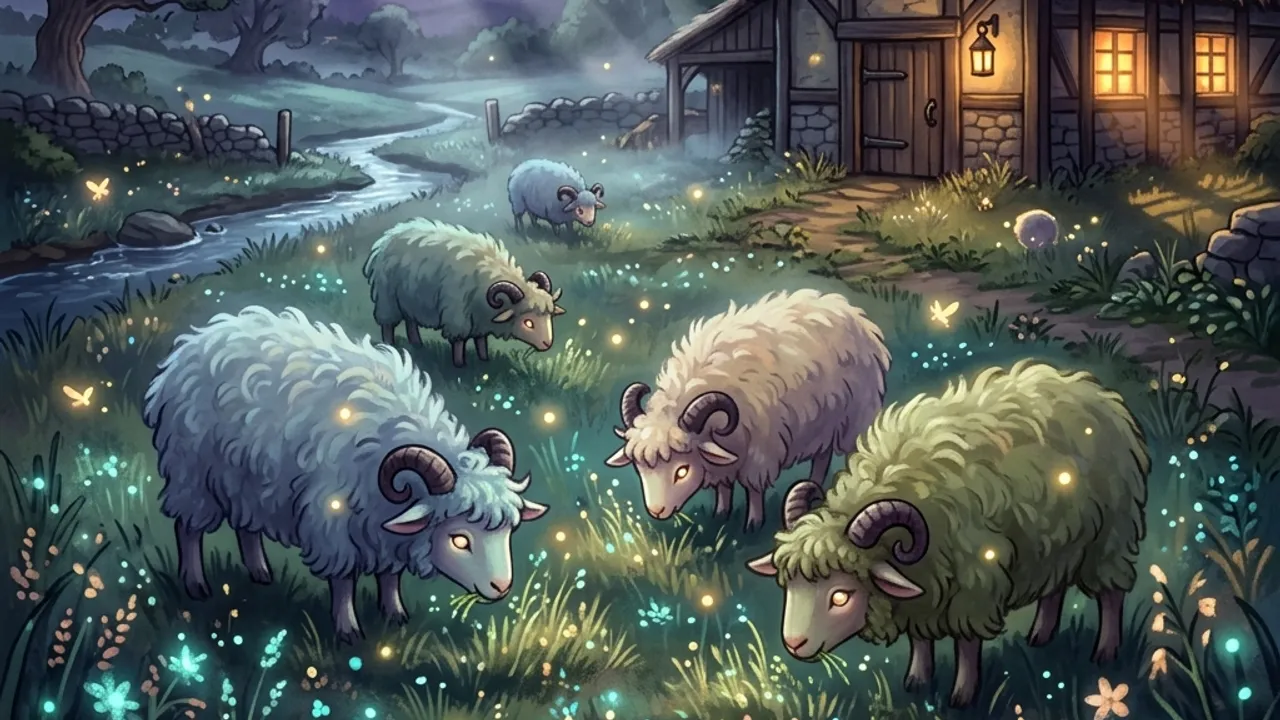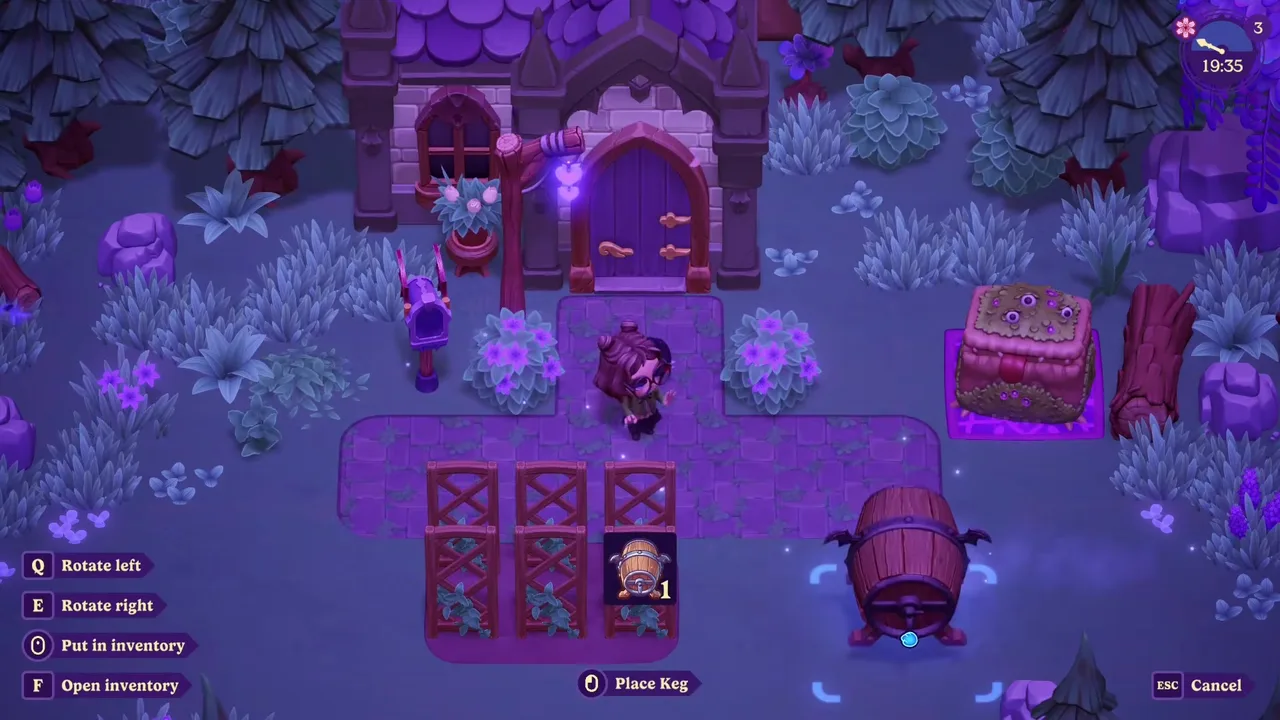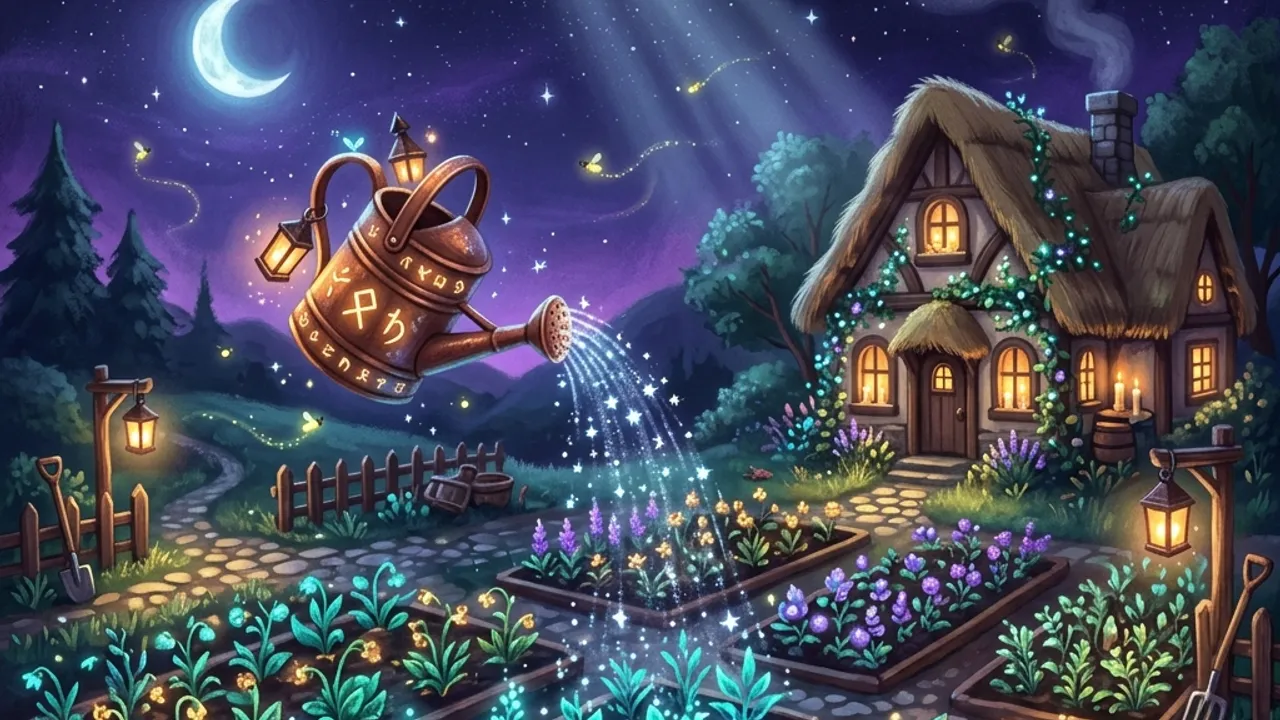
Landwirtschaft ist der stetige Herzschlag von Moonlight Peaks, aber es hat eine übernatürliche Wendung: Sie bearbeiten das Land nachts, im Mondlicht, und was Sie anbauen, leuchtet. Hier erfahren Sie, wie die Farm zusammenkommt und wie Magie die übliche Life-Sim-Routine verändert.
Mondbeschienen, nicht sonnenbeschienen
Das erste, was man von anderen Farmsimulationen verlernen sollte, ist der Sonnenaufgang. Als Vampir bist du nachtaktiv und die ganze Farm dreht sich um die Nacht. Hier gibt es Getreide verzaubert – leuchtende Produkte und leuchtende Blumen, die zur Dämmerungspalette der Stadt passen. Erwarten Sie, dass der Tag-/Nachtzyklus und die Jahreszeiten Einfluss darauf haben, was wann gedeiht.
Wie die Farm tatsächlich funktioniert
Abgesehen von der nächtlichen Wendung wird Ihnen die Kernschleife vertraut vorkommen – mit einigen wenigen Wissenswerte Moonlight Peaksspezifische Falten:
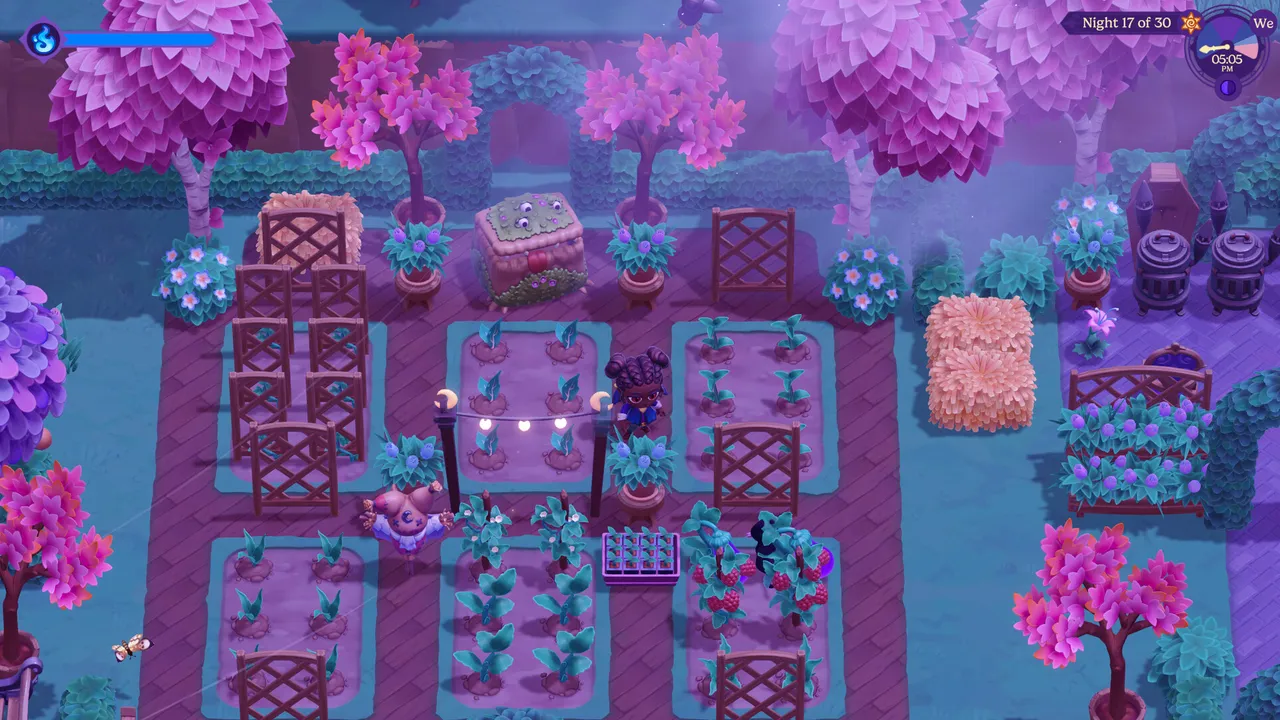
- Drei Pflanzarten. Kulturen aufgeteilt in Ackerlandkulturen (beackerter Boden), Kräutergartenkulturen (die hexenhaften Pflanzen mit Zauberzutaten) und Baumkulturen (auf Gras gepflanzt). Unser vollständige Liste der Kulturen schlüsselt sie alle nach Saison auf.
- Jahreszeiten sind wichtig – und bissig. Es gibt vier Jahreszeiten und wenn eine endet, jede Ernte außerhalb der Saison verdorrt und stirbt (das Produkt fallen lassen, wenn es fertig war). A Gewächshaus können Sie das ganze Jahr über alles anbauen.
- Kaufe Samen in der Hütte im Wald. Ein Saatgutstand draußen im Wald ist ständig geöffnet – und Sie werden es kennenlernen Yabbis die magische Kröte, der Saatguthändler, schnell.
- Prozess zum Gewinn. Rohe Nutzpflanzen sind es wert, verfeinert zu werden – in den Bewertungen nach der Markteinführung wird ausdrücklich darauf hingewiesen, dass Nutzpflanzen wie Weintrauben „im Grunde für nichts verkauft werden“, während a Fass In der Umwandlung in Wein oder Saft steckt das wahre Geld. Gebäude wie das Fass, Mio (Mehl), Prozessor und Ofen verwandeln Produkte in höherwertige Güter – das Herzstück des Geldratgeber; Jede Maschine und ihr Rezept sind in der katalogisiert Farm Helpers-Leitfaden. A naja erleichtert das Nachfüllen von Gießkannen und Sie verkaufen fertige Waren über eine Truhe namens „ Chester.
Die magischen Pflanzen haben Macken – und das Spiel wird Sie nicht warnen
Hier ist Moonlight Peaks Landwirtschaft ist nicht mehr alltäglich. Über die Standard-Pflanzen „täglich gießen“ hinaus gibt es viele Verzauberte Pflanzen haben ihre eigenen seltsamen Wachstumsanforderungenund – ganz bewusst – das Spiel sagt Ihnen nicht, wann Sie die Samen kaufen. Sie entdecken jede Eigenart, indem Sie sie einpflanzen und darauf achten. In einem 60-stündigen Durchspielen der Veröffentlichung wurden mehrere wiederkehrende Typen katalogisiert:
- Zauberbewässerte Pflanzen. Einige magische Pflanzen kann überhaupt nicht mit Ihrer normalen Gießkanne gegossen werden – sie reagieren nur auf a Bewässerungszauber. Wenn eine Ernte ausgedörrt aussieht, egal wie viel Sie darauf gießen, ist das ein Zeichen dafür, dass sie stattdessen Magie braucht.
- Gefütterte Feldfrüchte. Andere wollen kein Wasser – sie müssen es sein täglich einen Käfer oder einen Fisch gefüttert zu wachsen. Plötzlich dein Angeln und Insektenfang Direkte Rückspeisung in den Betrieb.
- Sprinklerkulturen. Einige Pflanzen Bewässern Sie die Fliesen um sie herum, wirkt wie ein lebender Sprinkler – praktisch zum Pflanzen zwischen durstigen Nachbarn.
- Bodentrocknende Pflanzen. Und manche machen genau das Gegenteil, den Boden um sie herum austrocknen, daher sollten Sie sie von Pflanzen fernhalten, die feucht bleiben müssen.
Es ist Reibung von Natur aus: Das Fehlen von Händchenhalten bedeutet, dass jeder neue Samen ein kleines Rätsel ist, und die Regeln einer Pflanze selbst herauszufinden, ist eines der stillen Vergnügen des Spiels. Beginnen Sie eine neue Ernte in einem kleiner Testpatch bevor Sie ein ganzes Feld dafür festlegen.
Ihre allererste Ernte übrigens Bluttrauben – Das Spiel übergibt sie Ihnen frühzeitig, da die Trauben vergoren sind Wein sind Ihr Haupteinkommen (siehe Geld und Verkauf).
Magic übernimmt die schwere Arbeit
Das charakteristische Merkmal ist Farmmagie. Die Entwickler haben a gezeigt Gießkanne, die Pflanzen selbstständig bewässert – ein kleines Stück telekinetische Hexerei, das eine der mühsamsten Aufgaben des Genres abnimmt. Es ist ein Vorgeschmack auf eine umfassendere Idee: Die Zaubersprüche, die Sie von den Hexen der Stadt lernen, sind praktische Werkzeuge, keine Dekoration. Die Zauberliste ist voller Farm-Retter — Wasser, reife Pflanzen, Steine entfernen, Regen beschwören und Helfende Hände herbeirufen alle nehmen Ihnen die Hausarbeit ab Werkzeugrad. Sogar dein Höllenkätzchen-Gestaltwandlungsform bearbeitet den Boden mit weniger Energie. Unser Hexerei und Zaubersprüche Leitfaden beschreibt, wie Zaubern und Mana funktionieren.
Sogar die gewöhnlich Bewässerung ist so konzipiert, dass sie schmerzlos ist: Praktische Vorschauen beschreiben a Bewässerung per Handgriff umschalten – Sie halten die Aktion gedrückt und gleiten über Ihre Felder, anstatt jede Kachel einzeln anzuklicken. In einem Genre, das für das Klicken mit sich wiederholenden Belastungen bekannt ist, bezeichneten Rezensenten es als einen der herausragenden Erfolge der Demo in Sachen Lebensqualität. (Wie Kritiker den Rest des Spiels bewerten, erfahren Sie in unserem Vorschauen und früher Empfang Zusammenfassung.)
Ein Heads-up vom Startversion: der ätherische Gießkanne Zauber funktioniert reibungslos und lässt Sie andere Dinge tun, während es läuft, aber das ätherische Axt und Spitzhacke Zauber haben derzeit einen Fehler – solange sie aktiv sind kann nichts anderes tun (kein Sammeln von Pilzen, kein Austauschen von Werkzeugen); Sie warten einfach, bis sie fertig sind. Den Rezensenten wurde mitgeteilt, dass es sich eher um einen bekannten als um einen beabsichtigten Fehler handele, sodass er möglicherweise behoben werden könne. Verlassen Sie sich jedoch vorerst nicht auf die magische Axt und Spitzhacke, um Multitasking zu betreiben, wie dies bei der Gießkanne der Fall ist.
Mystisches Vieh
Ihr Bauernhof besteht nicht nur aus Getreide. Du kannst erhöhen mystisches Vieh, überschrieben von dem entzückend benannten Draculambsund behalten Sie Begleiter wie die dreiäugiges Höllenkätzchen. Wie bei den meisten Cosy-Sims sind Tiere eine verlässliche Ressource und Einnahmequelle – geben Sie ihnen schon früh einen Platz in Ihrem Alltag. Wir gehen tiefer hinein Draculambs & Vieh.
Eine Starterroutine, die funktioniert
Bis die genauen Ernte- und Saisondaten bei der Veröffentlichung bestätigt werden, ist ein zuverlässiger Ansatz der Genrestandard, angepasst für die Nacht:
- Anlage a klein, vollständig bewässerbar Patch statt Überreichweite.
- Lernen Sie die Farmhelferzauber sobald die Hexen sie anbieten.
- Behalten Sie ein paar Vieh für stabile tägliche Ressourcen.
- Füllen Sie frühe Gewinne hinein Tool- und Farm-Upgrades, dann erweitern.
Für eine nächtliche Öffnung folgen Sie den Anweisungen Komplettlösung für die erste Woche; um deine Ernte in Münzen zu verwandeln, siehe Geld und Verkauf.
Wachstumszeiten und Preise für Pflanzen
Eine vollständige Kulturliste mit Jahreszeiten ist live und wird anhand des veröffentlichten Spiels überprüft – 51 Pflanzen auf Ackerland, Kräutergärten und Baumarten, einschließlich derer, die magisch sind. Genaue Wachstumszeiten und Verkaufspreise skalieren mit der Qualitätsstufe jeder Kultur; die Fruchtliste verfolgt die bestätigten Zahlen. Über eine allgemeine Wirtschaftsanmerkung sind sich Rezensenten einig: Budget für ein langsameres, mühsameres Frühspiel, als man es von diesem Genre erwarten würde, da die rohen Ernteeinnahmen absichtlich gering sind, bis man mit der Verarbeitung von Gütern beginnt.