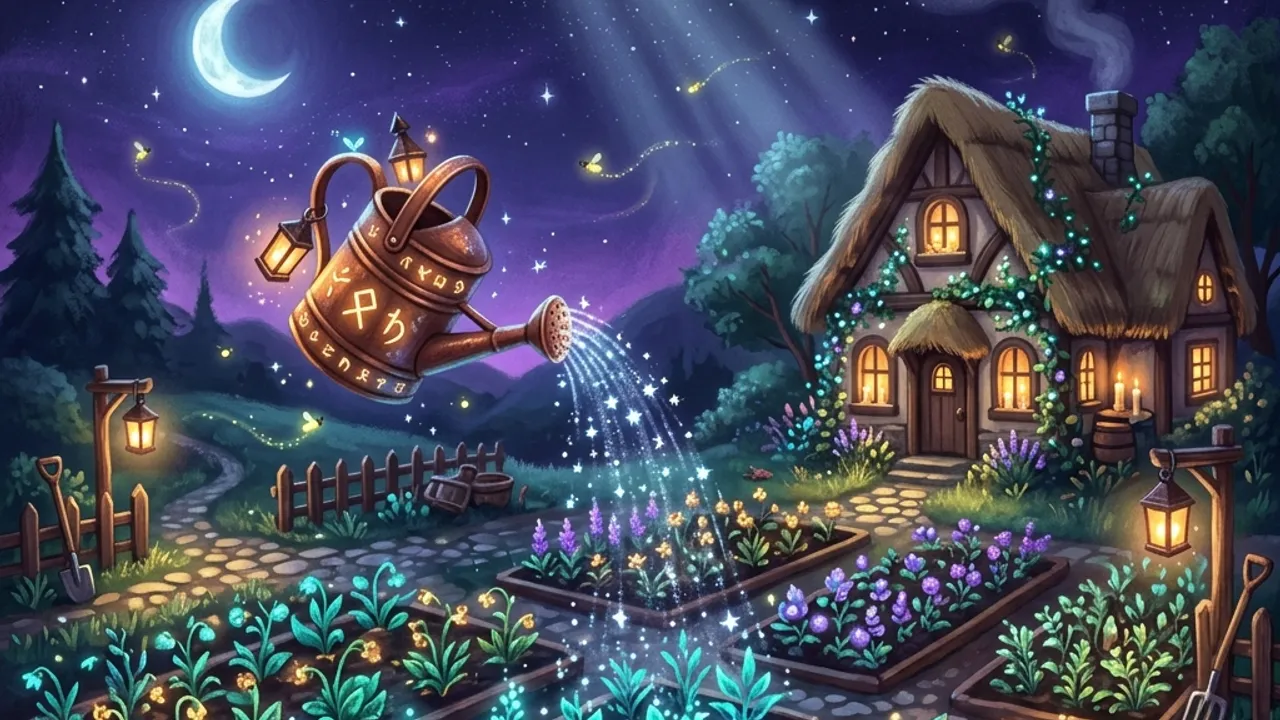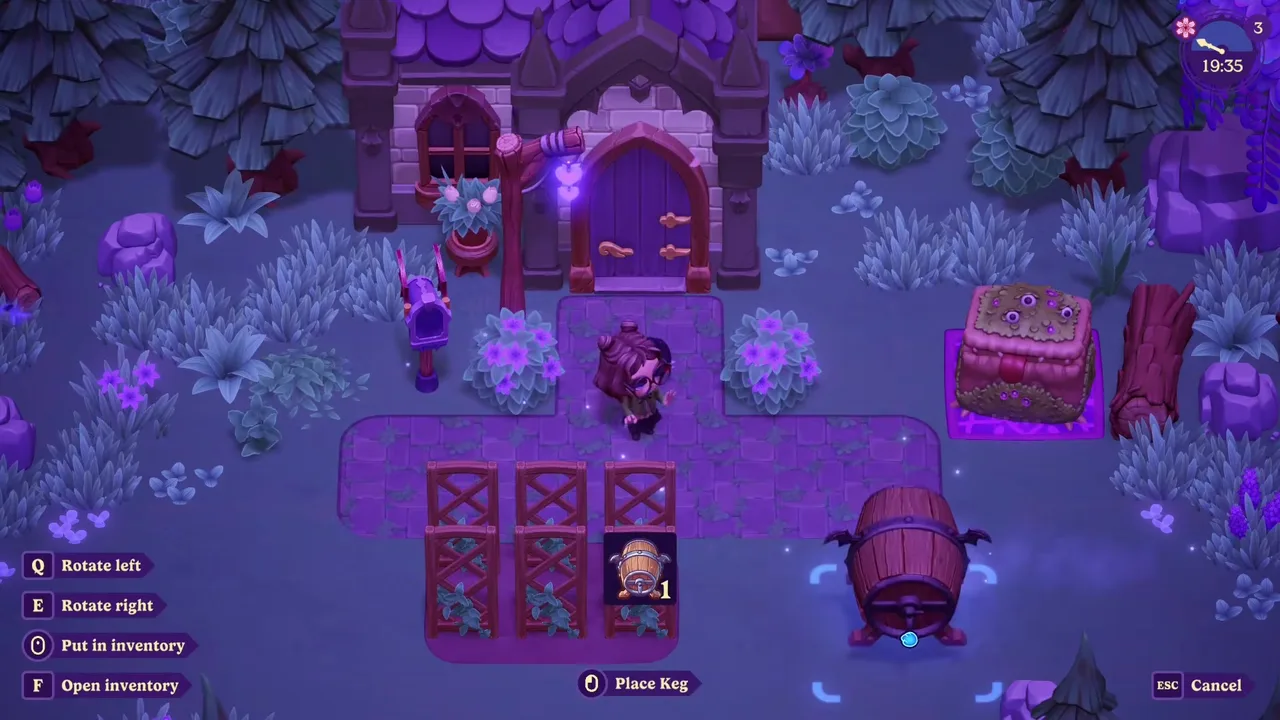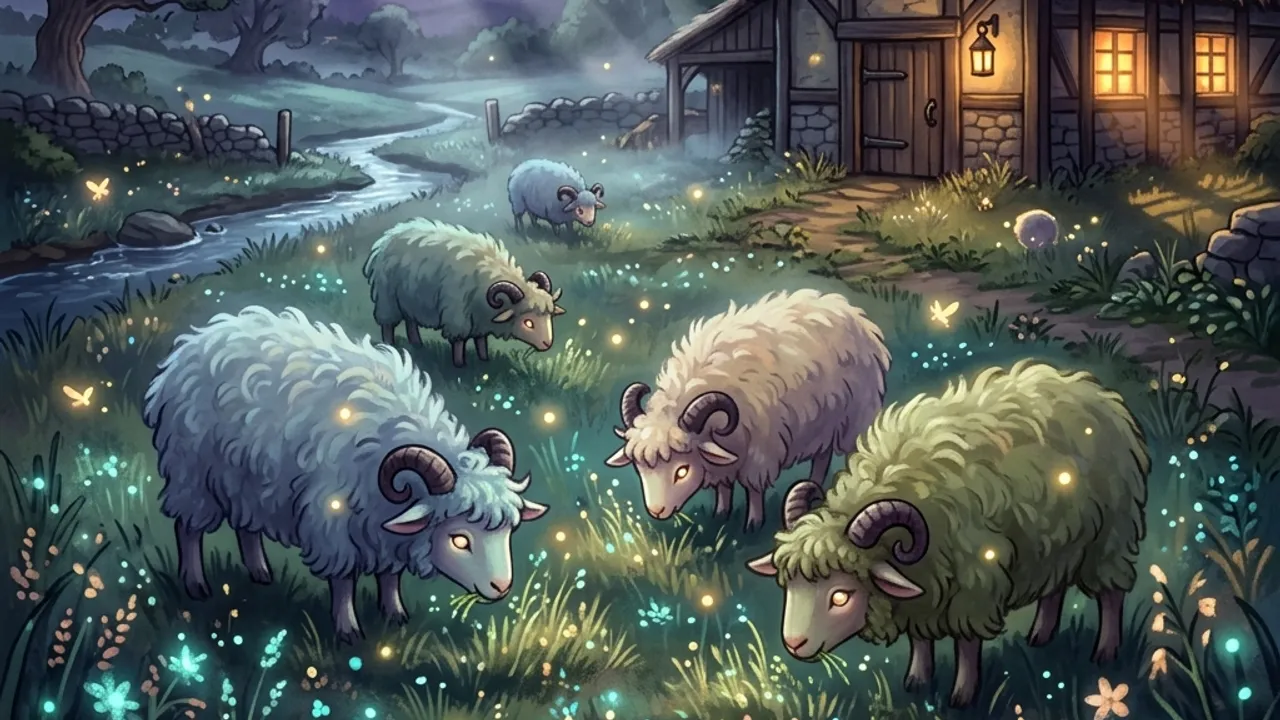
Die halbe Freude einer gemütlichen Farmsimulation sind die Tiere und Moonlight Peaks verleiht ihnen eine übernatürliche Verjüngungskur. Ja, der Scheunenhof leuchtet.
Draculambs
Das Besondere ist das Draculamb – die magische Version der Stadt mit dem wunderbaren Namen eines Schafes. Sie sind Teil davon mystisches Vieh Sie können auf Ihrer Mondscheinfarm züchten. Wie in den meisten Lebenssimulationen sollte Vieh eine verlässliche tägliche Ressource und Einnahmequelle sein, daher ist es für neue Spieler ein kluger Schachzug, frühzeitig Platz für ein Paar zu finden (siehe unsere Tipps für Anfänger).
Die Tiere, die Sie züchten können
Rezensionen nach der Veröffentlichung bestätigen, dass der Barnyard über die Schlagzeile „Draculambs“ hinausgeht. Die bisher bestätigten Tiere:
- Draculambs – das charakteristische magische „Schaf“ und Ihre Quelle dafür Wolle.
- Schafe – ein gewöhnlicherer wolliger Cousin des Draculamb.
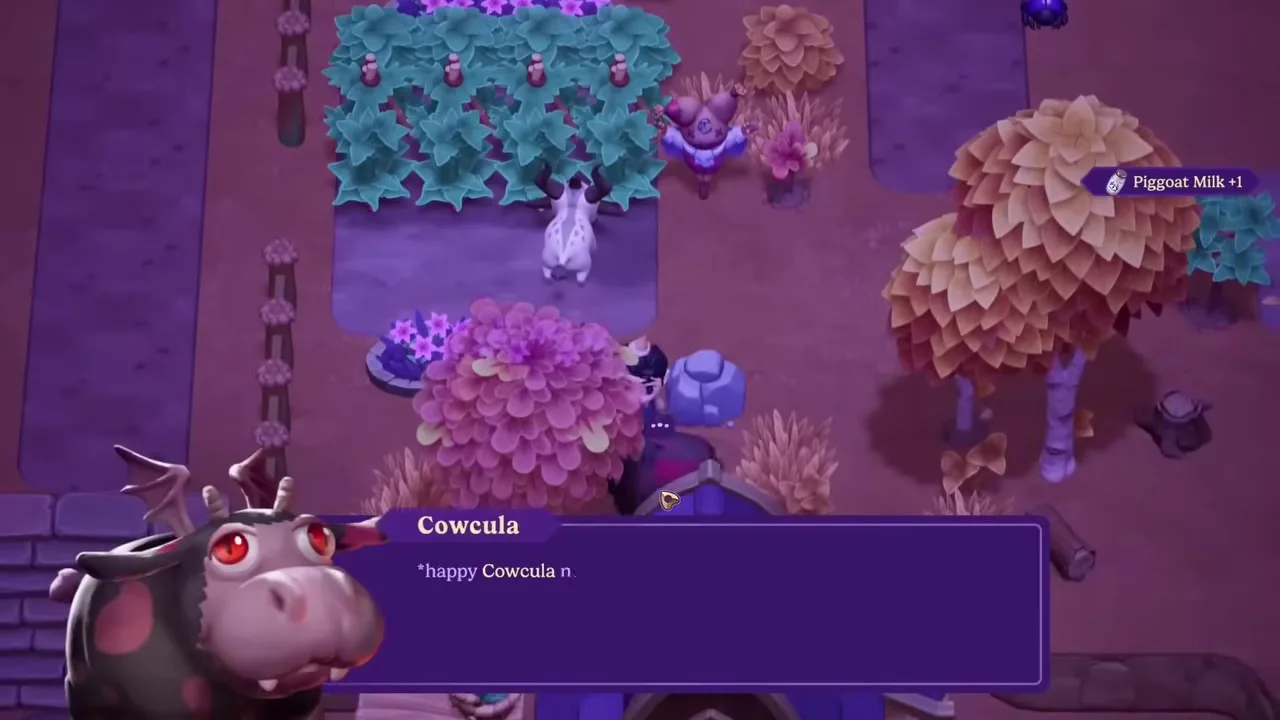
- Schweinziege – genau der Hybrid mit dem herrlichen Namen, nach dem es sich anhört (und ja, es gibt Piggoat Milk).
- Wangen – eine Hühnervariante, die von ihren eigenen Küken umhergeschleppt wird.
- Cowcula – eine mit Reißzähnen versehene, kleinflügelige Kuh, mit Sicherheit das vampirischste Mitglied des Hofes und Ihre Quelle Milch.
Was auch immer sie produzieren, alle geben auch Dünger, mit dem Sie die erhöhen Qualität Ihrer Ernten. Das ist der Hauptgrund, Tiere zu halten, auch wenn man ein Spieler ist, der vor allem auf die Landwirtschaft setzt: Der Stall wertet das Feld direkt auf.
Sie bringen sie unter baubare Ställe und Scheunen – Strukturen, die Sie im Rahmen der Erweiterung der Farm erstellen und platzieren (dieselbe Build-Schleife, die im behandelt wird). Tools & Upgrades-Leitfaden). Die Scheune ist ein teures Upgrade verkauft von Ridge, der Zimmermann der Familie Logan, der mit dem Heulenden Hammer arbeitet – eines der teureren Ziele zu Beginn des Spiels, also planen Sie es ein, wenn Tiere Priorität haben. Ihr produzieren speist dann die Verarbeitungskette: Milch und Wolle werden an Ihren Handwerksstationen zu wertvolleren Gütern verarbeitet, so wie Bluttrauben zu Wein werden, sodass Vieh direkt in die Fabrik gelangt Geldverdienschleife.
Eine ehrliche Anmerkung zum Alltag: Ein 60-stündiges Start-Playthrough hat ein Tier gefunden Pflege etwas mühsam. Das Füttern ist schmerzlos – das können Sie stapeln Sie Lebensmittel für mehrere Tage auf einmal – aber das Sammeln ist komplizierter als bei den meisten Sims. Anstelle einer einzelnen Schaltfläche zum Streicheln oder Sammeln erfolgt jede Interaktion über einen Dialogmenü, also Wolle und Milch zu ziehen und dann ein einzelnes Tier zu streicheln bedeutet, dass man das Menü ein paar Mal öffnen muss. Es handelt sich um eine Lebensqualitätsfalte, die geflickt werden könnte, aber so funktioniert es heute. Wird noch von den Spielern dokumentiert: genaue Sammelhäufigkeit, ob es einen Zuchtmechanismus gibt und Zahlen zur Stall-/Stallkapazität.
Wo Vieh in Ihre Nacht passt
In fast jeder Farmsimulation sind Tiere der Teil der Farm, der zahlt es Ihnen zurück, während Sie schlafen – oder in diesem Fall, während Sie am Pier sind oder die Stadt besuchen. Man pflegt sie einmal und sie produzieren ruhig im täglichen Zyklus. Das macht sie zu einer der zuverlässigsten Einnahmequellen des Genres, und es gibt keinen Grund, dies zu erwarten Moonlight Peaks um aus diesem Schema auszubrechen. Der kluge Einstieg besteht darin, ein paar Draculambs einen kleinen Teil der Farm zu widmen, ihre Pflege in Ihre nächtliche Routine zu integrieren und den stetigen Ertrag in Werkzeuge, Saatgut und Farm-Upgrades zu investieren.
Tiere neigen auch dazu, sich mit dem Rest des Kreislaufs zu paaren: Ihre Produkte werden normalerweise gefüttert Kochen und Schenken, sodass ein gesunder Stall sowohl Ihre Küche als auch Ihre Küche stillschweigend unterstützt Beziehungen in der Stadt.
Das dreiäugige Höllenkätzchen
Nicht jedes Tier ist für den Stall. A dreiäugiges Höllenkätzchen ist bestätigt Haustierbegleiter – genau die Art von bezaubernd gruseligem Sidekick, den der Ton des Spiels erfordert. Bei Haustieren in gemütlichen Sims geht es normalerweise eher um Gesellschaft und Charme als um Leistung, eine kleine tägliche Wärme auf dem Bauernhof; Wir werden alle konkreten Vorteile, die das Hellkitten mit sich bringt, notieren, sobald sie bestätigt sind.
Tierprodukte und Unterbringung
Die bestätigte Tierliste besteht aus Draculambs, Schafen, Schweineziegen, Cheekens und Cowculas – jedes produziert seine eigenen Waren (Milch, Wolle, Eier und mehr), und wenn sie gefüttert und mit ausreichend Platz untergebracht werden, erhöht sich die Qualität ihrer Produkte. Im Moment ist das Fazit einfach: Die tierische Seite ist echt, sie ist bezaubernd und es lohnt sich, in sie zu investieren. Kombinieren Sie dies mit dem Landwirtschaftsführer um Ihre Felder und Scheune gemeinsam zu planen.